Brand StrategyBrief B-359
Amazon Tests Shopping by Text Through Alexa in Invite-Only Pilot
Amazon opened an invite-only Alexa pilot on November 11, 2026: shoppers text a photo or list, and an AI compares prices, builds a cart and checks out. A wider rollout is weeks away.

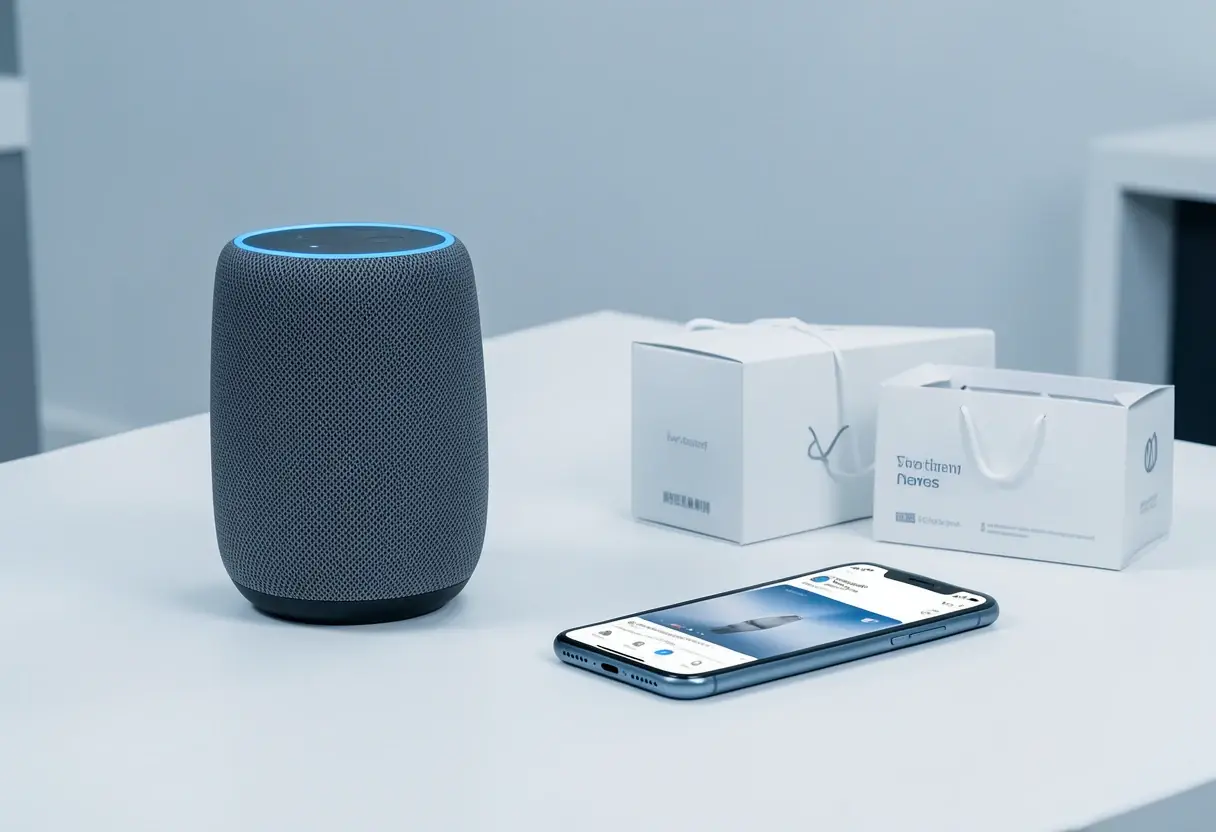
Amazon has quietly launched a text-based shopping pilot on Alexa devices, opening it by invitation only to a select group of U.S. users on November 11, 2026, according to a Seeking Alpha report.
The feature puts an AI shopping assistant inside the Alexa experience. It compares items and prices across products, can assemble a shopping cart and a shopping list, and — in a first for the voice platform — can carry the customer through to a checkout lane, the report said.
A broader rollout is expected within the next several weeks.
How does the new feature actually work?
Shoppers start by sending a text. From there, they either upload a photo or attach a shopping list, and the assistant takes over — matching products, weighing prices and constructing the order.
The photo route matters. It lowers the effort barrier to a single snapshot: a picture of a pantry shelf, a handwritten list, a label. The assistant translates that image into a structured basket. That is a materially different interaction model from voice commands, which have always struggled with multi-item, comparison-heavy purchases.
What does this change for marketers?
The scale context is the number to watch: more than 400 million Amazon customers have used Alexa for Shopping over the past 12 months, per Seeking Alpha. If even a fraction of that base shifts into an assistant-mediated flow that compares items and prices automatically, brand teams face a new gatekeeper standing between their listing and the shopper.
Consider what the assistant's stated capabilities imply:
- Price comparison is built in. The tool's default posture is comparative, not navigational — the shopper asks for an outcome, and the AI ranks options.
- Cart construction is delegated. The assistant, not the customer, assembles the basket from a photo or list.
- Checkout closes the loop. There is no forced detour into the classic storefront where search ads, banners and brand pages live.
For CMOs, that compression of the funnel — from prompt to checkout inside a text thread — is the strategic story. Sponsored placements optimized for search results pages and detail pages may simply never render in this flow.
Why now, and why text?
Amazon has spent years pushing shopping through voice, and the 400-million-customer figure shows the habit exists. But voice has limits: no visuals, awkward correction, one item at a time. Text plus images gives the assistant richer input to work with while keeping the interaction inside Amazon's own surface rather than a rival chat app.
The pilot's shape — small, invite-only, U.S.-only — signals experimentation rather than a launch. Amazon has a long history of testing conversational commerce in limited circles before deciding whether to scale it.
What happens next?
The stated timeline is weeks, not months. If the wider rollout arrives on schedule, expect attention to shift quickly to three open questions the report leaves unanswered: how the assistant ranks competing products, whether advertising can participate in the flow, and how the checkout lane handles payment and delivery defaults.
For marketing leaders, the practical move now is preparation: auditing how your products perform when a machine, not a human, does the comparing. The 400 million shoppers already using Alexa for purchases suggest the audience is there. The question is whether your brand survives the assistant's shortlist.
Source: retailcustomerexperience.com
Filed under
- amazon-alexa
- ai-shopping-assistants
- conversational-commerce
- product-discovery
- amazon-advertising
More from Marcus Bennett
Show full bio
Correspondent covering money, funding and market shifts around marketing leadership at CMO Observer.
48 articles
Related articles




The newsroom digest
One email a day with the stories that matter. No noise.