Gaming’s 40% sales jump makes brand strategy urgent
Circana’s 40% unit-sales rise and 150 million new consoles strengthen the case for gaming strategies built around utility, exclusivity and sustained engagement.

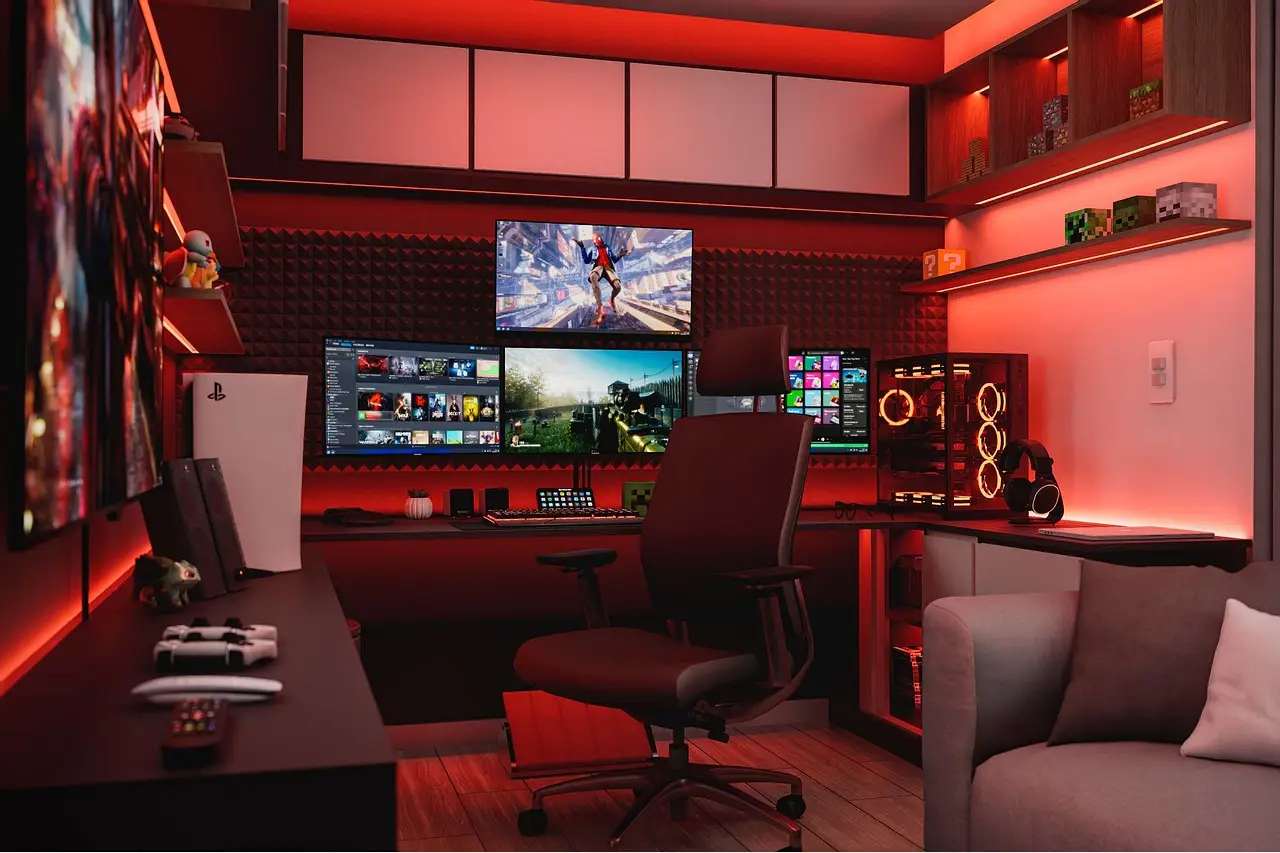
Physical video game software unit sales rose 40% year over year, according to Circana. The market now includes 150 million new consoles. Digital marketplaces have set new concurrent-user records almost every month. More games now release for those consoles than ever before. Gaming continues to extend its lead as the dominant global entertainment segment.
The case for urgency also rests on an aggressive GTA VI forecast. The launch is expected to outperform Avengers: Endgame, the former biggest entertainment launch. It should make more money than the combined box office of Avengers: Doomsday and Dune: Part Three, a forecast that assumes unusually broad cultural reach.
The forecast describes GTA VI as a culturally destabilizing event that will reshape the gaming market. All cultural attention will focus on the single release. Other forms of entertainment will imitate it. Console gaming’s resurgence now has its clearest standard-bearer.
At E3 2001, I got hands-on with Grand Theft Auto III. I had played GTA 2 on PC a couple of years earlier. But GTA III offered something entirely different.
It was a fully realized 3D open world. The city felt populated, alive and full of possibility. Characters had personality, and gameplay opportunities appeared around every corner. Rockstar’s vision was clear.
My path moved from GameWorks to Wizards of the Coast. There, I marketed the Pokémon Trading Card Game. I left the tabletop business for EA SPORTS’ Madden NFL franchise. I eventually became vice president of brand marketing.
At EA, I learned that game-to-fan connections carry real commercial weight. I came to see gamers as a blue ocean: enormous, engaged and largely untapped for brands.
Now, many brands are dipping into gaming. They try to recreate GTA VI’s aesthetic and join its conversation. That is a poor fit for risk-averse advertising.
Rockstar does not need a brand marketing partner. The whole world is expected to buy the game on day one. A sponsor would add little in that setting.
Brands should instead seek gaming properties that need support and share their cultural ethos.
What does this change for marketing leaders?
The practical shift is clear. Start with an underserved audience, a recognizable problem and a brand strength that can solve it without distorting either the brand or the gaming community. The examples come from campaigns we helped build. They show four forms of useful entry.
- OPI and Xbox: Women make up 50% of the video game audience but remain underserved. OPI sought new audiences with a colorful nail-polish line for female gamers. It sold out immediately, backed by an experiential campaign in select Target stores. Success prompted a second activation the following year, expanding into the Sunkissed Vibes OPI Special Edition Xbox Controller.
- IKEA: The retailer addressed the physical environment around play. Top designers from IKEA and its collaborating brand created a collection for gamers’ spaces. They focused on cord clutter, controller posture and adaptable living setups. Its popularity showed how improving the experience can create an authentic connection.
- Fanta and Xbox: Fanta found an opening in beverage marketing that fit its entertainment strategy. It used Xbox as an entry point to deliver Fanta and exclusive in-game rewards.
- Promotional cans reached more than 60 countries, each with exclusive artwork. The campaign introduced Fanta Crimson Sour Cherry. It generated more than one billion online impressions before any media spend, reflecting enthusiasm for both fan bases.
- Trolli: Internal data showed gaming was the audience’s biggest hobby. We helped build a long-term strategy around exclusive giveaways and unique CPG collaborations. League Trolli, an ongoing esports program, connected gamers through competition and prizes. The always-on approach created consistency and a reliable relationship with core fans.
These campaigns moved beyond superficial advertising and delivered tangible value to a specific gaming audience. Representation, utility, exclusivity and sustained engagement all work. The connection must draw on the brand’s existing strengths and feel credible to both sides.
That authentic fit becomes the inflection point for success. Organic buzz and fan enthusiasm follow when the brand gives audiences a reason to care. Borrowed aesthetics alone cannot do that.
The market history gives the strategy a deadline. Grand Theft Auto V shipped in 2013. It went on to sell 230 million copies. During the 13 years since, pioneering brands entered mainstream gaming and found major success. Others still lack a clear path.
Rebecca Stone’s conclusion is blunt: “Brands can’t be a tourist in the gaming space.” Her warning follows immediately: “Don’t let another thirteen years pass before creating a strategy for the biggest entertainment market in the world.”
For marketing leaders, the change is clear. Stop treating gaming as a short campaign around another company’s release. Start with a defensible audience insight and a cultural fit. Choose a property whose needs match the brand’s strengths, then commit to utility, exclusivity, representation or sustained engagement that audiences recognize and value. The 40% sales increase and 150 million-console base make the market larger. The campaigns show why relevance matters more than borrowed aesthetics.
Source: adweek.com/feed/
Filed under
- gaming
- brand-strategy
- cultural-marketing
- audience-insights
- entertainment-marketing
More from Rebecca Stone
Show full bio
News editor covering regulation, policy and their impact on marketing leadership at CMO Observer.
94 articles
Related articles


Read also
The newsroom digest
One email a day with the stories that matter. No noise.