Humans Beat AI in FAA Ground Stop Service Test, Travelers Say
Travelers stranded by the Nov. 13 FAA ground stop say human agents solved their problems while AI channels handed them off. Airlines pushed apps; vendors say proactive AI would close the gap.
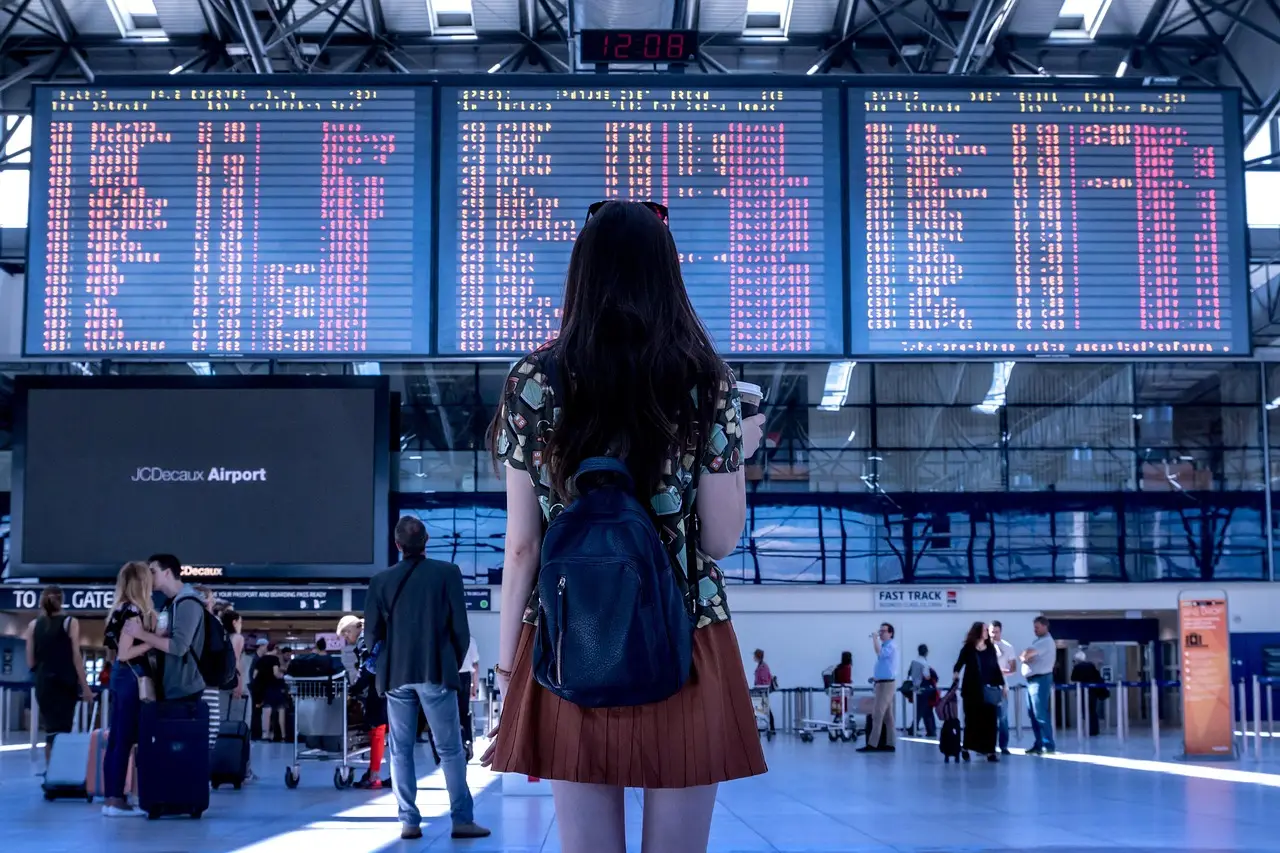
About 1.5 million travelers were disrupted on Friday, Nov. 13, when the FAA's ground stop canceled roughly 12,462 flights — and when they sought help, humans delivered the answers while AI mostly handed them off or went quiet.
Five travelers who spoke with CMSWire, including two customer experience executives, credited human agents with solving their problems. AI channels, they said, checked bookings and transferred them to a person, or fell silent entirely.
What actually broke at the FAA?
A technical problem began around 3:30 p.m. ET on Nov. 13, and air traffic resumed at 8:15 p.m. Instability started at 17 of 22 regional air traffic control centers and spread to several approach facilities. About 3,500 aircraft were airborne when the stop was issued; all landed safely.
The preliminary cause: legacy equipment destabilized when the FAA's telecom network was flooded with roughly 1,000 connection attempts every 4 to 5 seconds. Contractor L3Harris had been installing a new router in El Dorado, Arkansas. FAA Administrator Bryan Bedford said the agency saw "zero evidence of anything AI-related." The FAA disabled the same function on about 60 similar routers.
Cancellations ran about 6,700 U.S. flights on Saturday and about 1,570 by 10 a.m. ET Sunday, per FlightAware data.
What does this change for CX leaders?
Jesse Roy, chief experience officer at GRYB International, logged 25 gate changes, four rebookings and 39 hours door to door. "Every single answer I got was from a person," he said. An AI phone assistant checked his reservation, said "you need an agent for this," and transferred him. Callbacks from Air Canada took four and a half hours.
Shashi Bellamkonda, an analyst at Info-Tech Research Group, hit the same wall. American rebooked him instantly after the first cancellation and a human agent gave him her direct number. But the AI-powered apps, he said, "often would not let you contact a human being." His verdict: humans did better, in "a travel catastrophe that most AI models probably were never trained for."
Diana Andzane of Sitecore saw the other side. Her travel platform's AI agent recognized it couldn't help and transferred her immediately. "I actually think the AI worked exactly as it should: it knew when it couldn't solve the problem and quickly handed me over to a human," she said. A Five9 survey found consumer trust in AI rises from 26% to 55% when customers can see a clear path to a person — though 83% of customers say they still must repeat themselves after the handoff.
Airlines steered customers to apps
Statements from American, Delta, United, JetBlue, Southwest, Frontier and Amtrak shared one pattern: check the app, use the website. None pointed customers to a phone line or human agent. American's chief customer officer Heather Garboden called it "among the most significant operational impacts American has experienced." Southwest's automated phone line quoted hours-long callbacks Friday night; Frontier's line routed callers to a chatbot with no option to reach a person.
The frontline absorbed the damage. A United gate agent, 19 hours into his shift, came back to apologize to Roy for being short with him. "It was pandemonium in there," Roy said.
Vendors: act before the customer calls
Philipp Heltewig, chief AI officer of NiCE, said AI agents shouldn't wait: they should see the disrupted flight and "rebook the flight, the hotel and the ride from the airport before the customer even picks up the phone." But, he added, the airlines that win this Thanksgiving "won't be the ones that automate the most."
PolyAI CEO Nikola Mrkšić urged mid-storm governance: "Decide now who can update your agent in the middle of the storm, and give them the tools to do it fast."
NiCE's research shows split preferences: in a survey of 1,000 U.S. adults, 28.8% would choose an AI agent if resolution were guaranteed, 37% wanted human-led service supported by AI, and 23.6% favored AI-led service with people on call.
Roy's takeaway after 39 hours: AI still "needs some improvement before we really start to utilize AI to the point where people's lives and livelihoods are dependent on the outcome."
Source: feeds2.feedburner.com
Filed under
- ai-customer-service
- human-support
- airline-customer-experience
- customer-service-automation
- faa-ground-stop
More from Rebecca Stone
Show full bio
News editor covering regulation, policy and their impact on marketing leadership at CMO Observer.
94 articles
Related articles



Read also
The newsroom digest
One email a day with the stories that matter. No noise.