Customer ExperienceBrief B-998
Loyalty members returned to Taco Bell twice as fast after outbreak
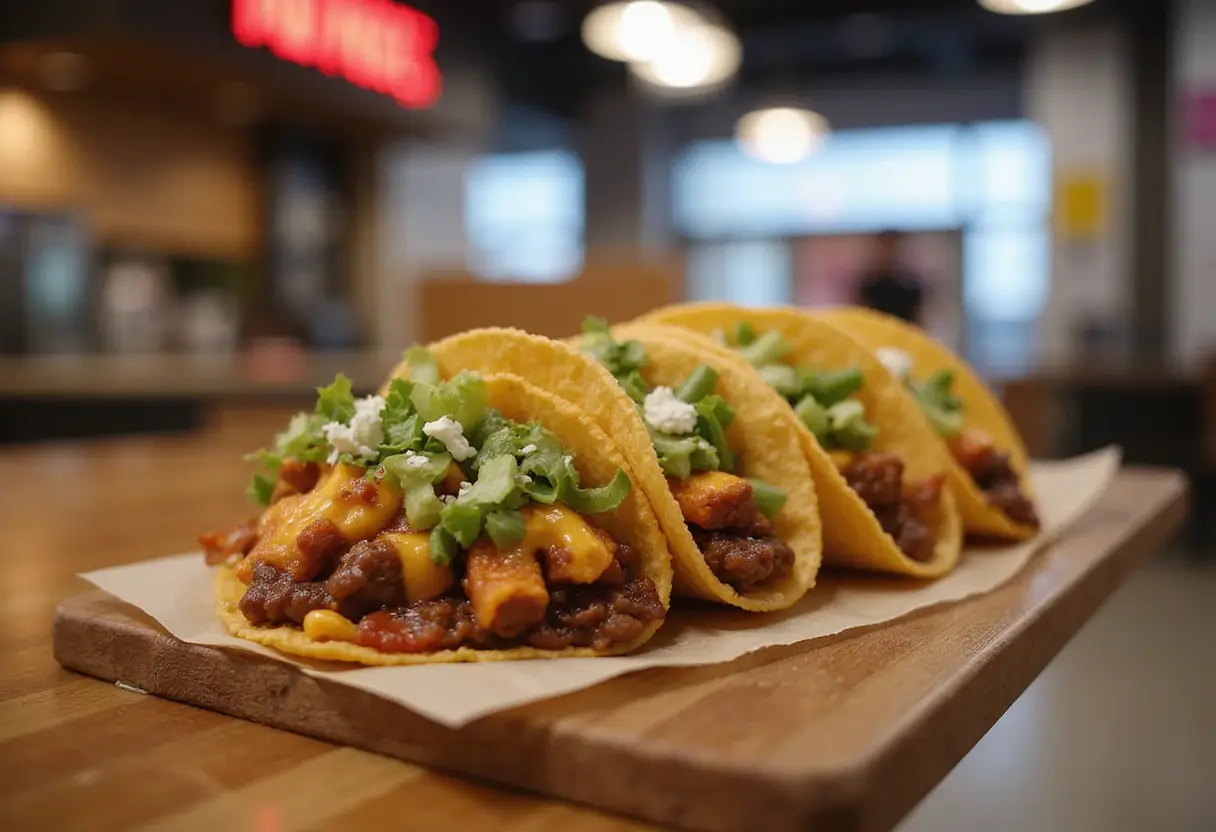
Taco Bell's loyalty members returned twice as fast as other customers after the Cyclospora outbreak. Membership grew 25% year over year, but same-store sales still fell 4%.

Taco Bell's loyalty members came back twice as quickly as non-members after this summer's Cyclospora outbreak. That's the number Yum Brands CEO Chris Turner put in front of analysts on a Q3 2026 earnings call Tuesday, and it's the clearest proof yet that a loyalty base can work as crisis insurance for a restaurant brand.
The quarter itself was still rough. Global same-restaurant sales at Taco Bell fell 4% year over year. Systemwide sales dropped 2% to $4.3 billion. Loyalty softened the fall. It didn't stop it.
What did the recovery actually look like?
Yum, which also runs KFC and Habit Burger & Grill, watched loyalty membership climb fast through the quarter. Taco Bell's loyalty base grew 25% year over year, with U.S. growth doing most of the work.
The engine behind the rebound was Tuesday Drops, a promotion that puts a different deal on the app every Tuesday. Loyalty members only. That exclusivity mattered.
"That brought our fans back in droves," Turner said. "It also resulted in us actually growing the loyalty membership base faster than normal, so we got a long-term benefit that came from that."
Read that mechanism carefully, because it's the part a marketing leader can copy. A crisis-driven discount usually buys traffic and destroys margin. Here the discounts were gated behind the app, so every redemption doubled as a member acquisition or a re-engagement. The short-term fix and the long-term asset grew at the same time.
Turner framed loyalty as structural, not tactical. "Loyalty is central to our raise the bar priority of battling for future consumers who seek more personalized, relevant and seamless experiences," he said. "It also helps us build deeper, more direct relationships with them."
What's next: loyalty meets voice AI at the drive-thru
The other bright spot is the drive-thru voice AI system, now live at 900 Taco Bell locations after a two-year rollout. The numbers, from Yum CFO Ranjith Roy:
- 6% improvement in drive-thru satisfaction at AI-equipped restaurants
- 1.5% higher sales, driven by bigger average checks and better associate retention
- 1,500-plus locations targeted by the end of the year
For context, 1.5% on a business doing $4.3 billion a quarter is real money — roughly $65 million per quarter if the lift holds across the estate. And the satisfaction gain suggests customers aren't just tolerating the AI. They prefer it.
The roadmap ties the two stories together. Roy said the team is already planning loyalty integrations, multi-language support, multi-lane drive-thru support and new operator dashboards that connect restaurant staff with the AI assisting them. "All of which makes the product more compelling over time," he said.
What does this change for CMOs?
Two things. First, a loyalty program isn't only a retention tool — Yum just used one as a crisis-recovery channel, and it came out of the incident with a 25% bigger member base. Second, first-party data has a second life at the drive-thru speaker. When loyalty IDs plug into voice AI, every order becomes a personalized offer surface.
The quarter's 4% sales decline shows loyalty can't fully shield a brand from a food-safety event. The recovery speed shows it can shorten the damage window considerably. For brands weighing loyalty investment against short-term performance spend, that asymmetry is the argument.
Source: Google News: customer experience loyalty
Filed under
- taco-bell
- loyalty-programs
- drive-thru-ai
- crisis-recovery
- restaurant-marketing
More from Rebecca Stone
Show full bio
News editor covering regulation, policy and their impact on marketing leadership at CMO Observer.
66 articles
Related articles

The newsroom digest
One email a day with the stories that matter. No noise.