Brand StrategyBrief B-891
Maybelline's tagline rewrite is confusing copywriters and the market
Maybelline's 35-year-old tagline now reads "Maybe. We're born with it. Maybe. It's Maybelline." Mentions spiked 68x in two days, 48% negative, and copywriters want to know what "maybe" is now doing.
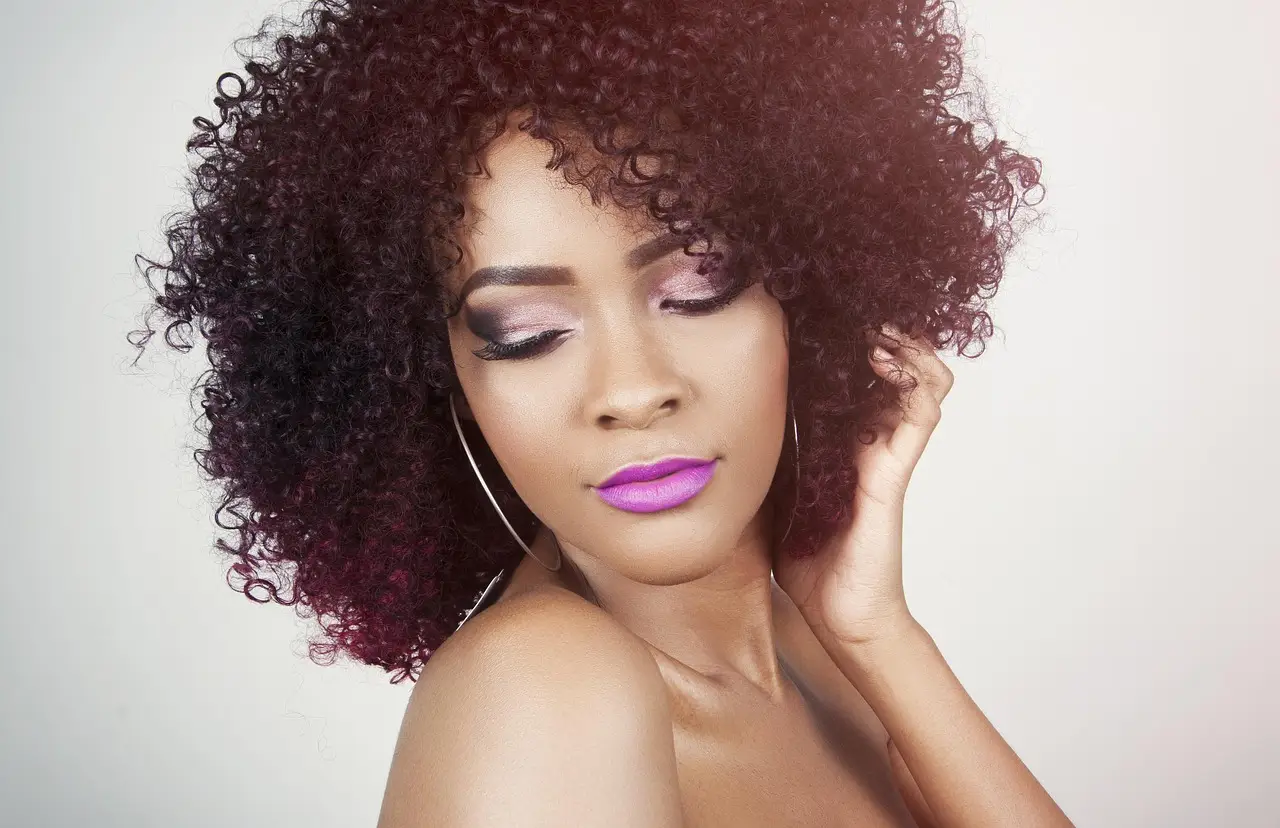
Two days after Maybelline debuted a reworked version of its 35-year-old tagline, brand mentions across X, Reddit, TikTok and Instagram spiked to 68 times their typical volume, according to social listening firm PeakMetrics. The edit itself was surgical: "Maybe she's born with it. Maybe it's Maybelline." became "Maybe. We're born with it. Maybe. It's Maybelline." Pronouns shifted. Periods multiplied.
In the brand's new campaign video, white uppercase letters on a black background spell out the revised line. It looks clean enough. The public read it as a puzzle.
Ashley Rutstein, founder of Stuff About Advertising, had to film her LinkedIn breakdown of the campaign twice. The reason surfaced in the second take.
"It's so confusing," Rutstein said. "I'm a copywriter. I look at words all day long, I analyze them all day long, and I stared at this for hours. It took me all day to figure out what they were trying to do."
Her objection is partly grammatical. In a LinkedIn video, Rutstein said she understood the pronoun change, but "the periods are where they lost me." She also drew a distinction between two uses of the same word: "the original line used 'maybe' as an adverb," she said. "The new line uses it as a noun." The grammar shift only occurred to her while she edited her first video, which is why she shot a second take.
Maybelline's rationale runs the other way. Sandrine Jolly, global brand president of the brand, told Marketing Brew that the changes were meant to remove the "ambiguity" and position "maybe" as representative of the "endless possibilities" for the brand's consumers.
Critics inside and outside the industry were less generous. The Cut argued that perhaps the brand shouldn't have changed the line at all. One X user, saka_1c, wrote: "maybe. Maybelline marketing department. stroke. maybe. Having."
What did audiences actually say?
PeakMetrics, which shared its data with Marketing Brew, tracked brand mentions on X, Reddit, TikTok and Instagram over the two days following the debut. The volume peaked at 68 times typical levels, and the sentiment split broke down like this:
- 48% negative, 28% positive, 24% neutral
- About a quarter of mentions "take issue with the wording or punctuation"
- 38% of posts used jokes or sarcasm to discuss the change
- 59% of posts positioned the tagline changes as representing "forced inclusivity or political messaging"
So the bulk of the reaction was mockery, with a political framing attached to it. Roughly one in four posts objected to the mechanics of the line rather than its meaning.
What does this change for brand leaders?
Rutstein sees a shift in how audiences receive brand work, not just in this campaign. "The way people react to brands now is so different," she said. "The general public is so in tune with advertising and marketing now that people outside of the industry are dissecting it just as much as we are. So when they see something like this, they're applying their general-public brain to it, and it just makes no sense. Like, why would this marketing team need to do that? Why would they need to change this iconic thing?"
That last question is the one a marketing leadership team now has to plan for. Rewriting a long-established line no longer carries the low risk it once did. As with the Cracker Barrel and Jaguar rebrand fights Marketing Brew has documented, an update to an iconic asset can slide a brand straight into the culture wars, and the period after the sentence becomes a political statement.
Maybelline has not yet answered the grammar criticism. Marketing Brew asked the brand about the adverb-to-noun interpretation and said it would report back on any response.
For a leader planning a campaign refresh, the measurable lesson from PeakMetrics' data is that punctuation is now read as intent. The 35-year-old line drew no argument. The four-word rewrite drew 68 times the normal conversation, and most of it was not applause.
Source: marketingbrew.com
Filed under
- maybelline
- tagline-rewrite
- brand-messaging
- brand-reputation
- social-listening
More from Marcus Bennett
Show full bio
Correspondent covering money, funding and market shifts around marketing leadership at CMO Observer.
51 articles



The newsroom digest
One email a day with the stories that matter. No noise.