Miami-Dade Puts $3.9 Million Behind GTA 6's Vice City Takeover
Miami-Dade is spending $3.9 million on GTA 6 launch marketing as Rockstar transforms real Miami venues, including the Heat's Kaseya Center, into Vice City landmarks ahead of the Nov. 19 release.
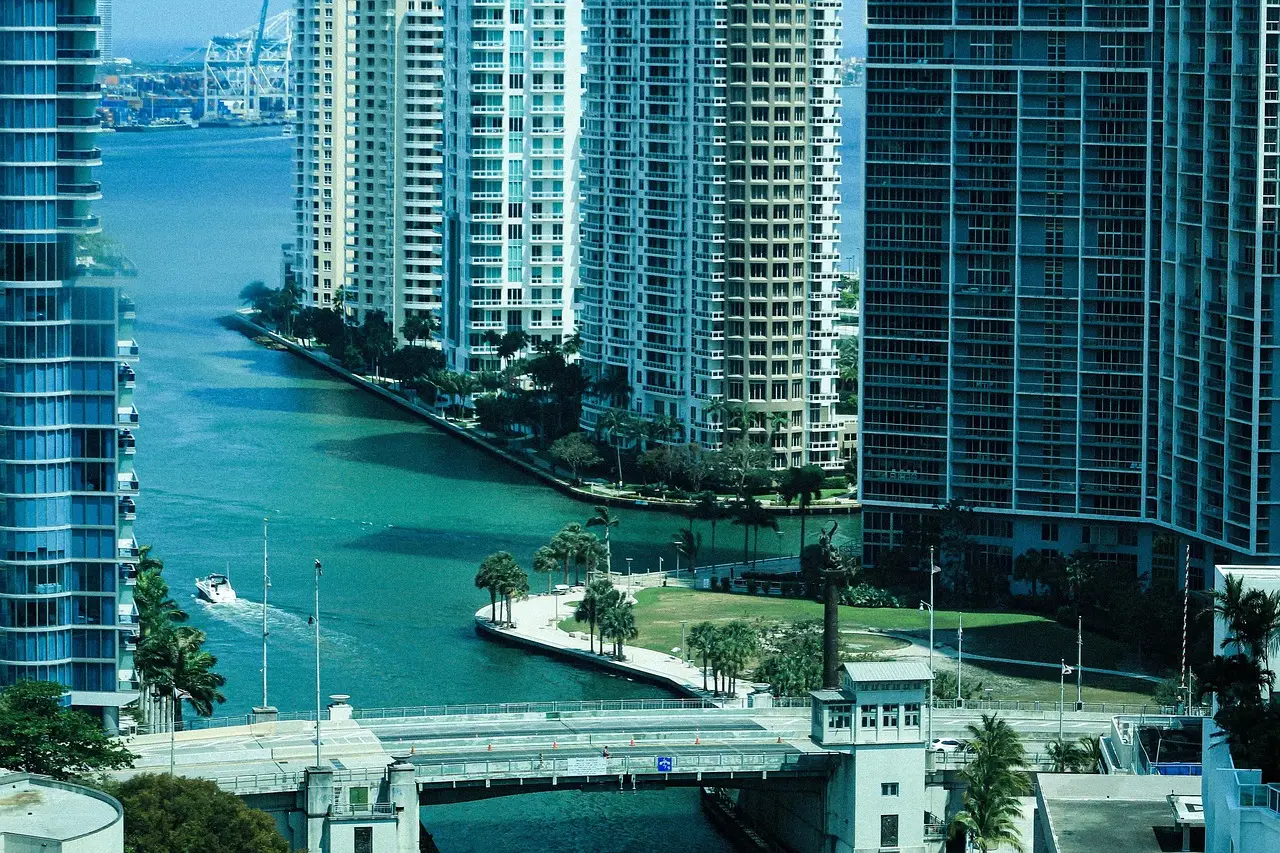
Miami-Dade County is spending $3.9 million on marketing tied to the launch of Grand Theft Auto 6 — a taxpayer-backed bet that a video game can move real-world tourism dollars. The game arrives Nov. 19, and the county wants its share of the moment.
It's not a small moment. GTA 6 lands thirteen years after its predecessor, GTA 5, which has sold nearly 235 million copies — one of the best-selling entertainment products of any kind. The new game returns to Vice City, Rockstar's fictional stand-in for Miami, located in the equally invented state of Leonida.
What does this change for destination marketers?
For CMOs watching budgets, the interesting part is the structure. Rockstar Games hasn't just bought ads. It has partnered with real venues — including the Miami Heat's Kaseya Center, the NBA arena — to host Vice City-themed events. Over the past several weeks, iconic spots across Miami have been physically transformed into landmarks from the game, planted with easter eggs (hidden references for fans to discover) that pull visitors deeper into the game's neon-soaked world.
The activation isn't confined to South Florida. In London, department store Selfridges is selling more than 50 Vice City products, extending the campaign's retail footprint across the Atlantic.
Three numbers frame the play:
- $3.9 million — Miami-Dade County's marketing investment pegged to the launch.
- 235 million — copies sold by GTA 5 since 2013, the baseline for expectations.
- 50-plus — Vice City products on sale at Selfridges in London.
The calculus is straightforward. GTA 6 is positioned as among this year's biggest cultural moments and one of the most anticipated game releases in history. Miami, as the real-world inspiration for Vice City, has a claim on that attention no other destination can make. The county's $3.9 million converts a fictional setting into a tourism asset.
For brands and venues, the model is worth studying. Rather than licensing a logo onto a billboard, Rockstar is embedding the game into physical spaces fans already visit — an arena, retail floors, recognizable streets — and letting discovery do the marketing. Selfridges' 50-product line shows the same logic applied to commerce: the game's aesthetic becomes sellable merchandise before the game itself even ships.
The payoff question — whether $3.9 million in county spend and weeks of street-level transformation convert into sustained visitor traffic after launch day — won't be answered until well past Nov. 19. But the sequencing is already done: the world's most anticipated entertainment release now has a real city attached to it, and that city is paying to keep it that way.
Source: adweek.com/feed/
Filed under
- gta-6
- miami-tourism
- destination-marketing
- experiential-campaigns
- cultural-marketing
More from Marcus Bennett
Show full bio
Correspondent covering money, funding and market shifts around marketing leadership at CMO Observer.
84 articles
Related articles




Read also
The newsroom digest
One email a day with the stories that matter. No noise.