Oribe's Nine-Year Artist Bet Now Pays Off as AI Skepticism Grows
Oribe has commissioned handmade holiday campaigns for nearly a decade. This year, amid consumer scrutiny of AI-made ads, the strategy is drawing more attention than ever.
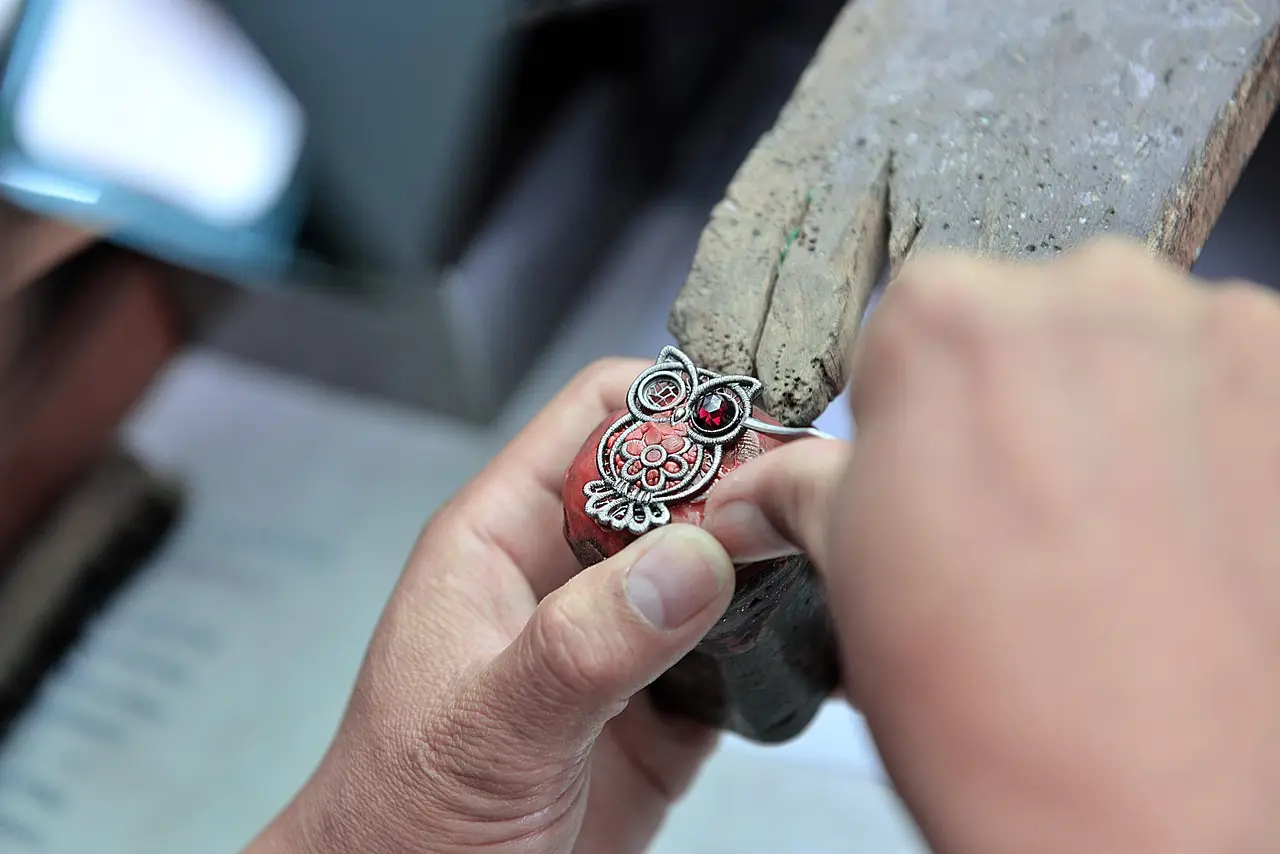
Oribe has spent nearly ten years paying artists to make its holiday campaigns by hand. That long bet just paid off with social and press engagement its marketing chief calls "above and beyond" anything the brand has seen before.
This year's campaign comes from mosaicist Mathilde Herrero. She designed an homage to 20th-century mosaic art for the campaign and holiday packaging, using colors and design elements that honor the brand's late co-founder, Oribe Canales. Past collaborators have included a calligrapher and a tapestry maker.
Why is handmade suddenly working harder?
Diana LaMura-Scarrone, VP of global marketing and creative at Oribe, credits the public's magnifying glass on brands' use of generative AI in creative campaigns. Audiences are scrutinizing what's real and what's machine-made.
"Quite frankly, there is a much deeper interest, and in a very positive way, in the fact that Oribe is using artists to create something the slow way, the deliberate way, [and] not taking the, quote, easy way," she said.
"We like to refer to ourselves from every chair and every segment of the business as makers, and so it's only a natural extension for us to then go off and work with makers and artists for specific campaigns," she said.
The luxury market is moving the same direction. Prada, Hermès, and Loewe have all released campaigns built on handmade assets and an emphasis on artistry as generative AI has made design and illustration cheap for everyone. Dior faced backlash last month for a holiday ad it claimed was hand-drawn but which many viewers said bore hallmarks of generative AI. The ad's director told Variety the team used an "automated interpolation system for very small parts of the process" alongside hand-drawn 2D animation.
The contrast is the story. One luxury house stumbled on the AI question. A hair-care brand that never went down that road is collecting the goodwill.
Who picks the artist?
Not marketing. Daniel Kaner, Oribe's co-founder and CEO, said the product creation team — not marketing or PR — decides which artist the brand partners with each holiday season. That placement tells you how deep the craft positioning runs.
"The goal was to make sure that everyone is an artist...to make sure that when we're learning about the applied arts, we're learning about art, we're learning about techniques," Kaner said. "It spills over into the love they have for making the absolute best-in-category hair product."
To find collaborators, his team travels to art festivals and events across the country, including the Brimfield Antique Flea Market, plus what Kaner calls "combing the digital worlds" online. "We look broad and we look wide, and I do think that we look for things that might not be the easiest layup," he said.
What does this change for marketers?
LaMura-Scarrone doesn't fault brands that use generative AI. Her position: keep the tools behind the scenes.
"We value technology when it comes to production and efficiencies," she said. "But when it comes to our outward appearance, we think [artistry is] something that will pay off, and it has when you see the comments and how consumers are reacting to our holiday offering."
She frames the payoff in luxury terms: "True luxury isn't defined by how fast you can produce something. It's really the human time, the obsession, and that level of imperfection you're willing to invest in the item you're making."
Kaner won't claim prescience. He chalks the timing up to luck rather than a bet on a decade of handmade ads. But the brand is capitalizing now. It engages with social media comments and shares behind-the-scenes content showing the mosaic creation process. For the first time this year, Oribe sent the art to a top-performing salon in Oklahoma as the backdrop for a party for the owner and customers, captured for social content.
"It's not every day you get such an overwhelmingly positive reaction to something that you do," LaMura-Scarrone said. "I think there's a lot of healthy skepticism out there, so it's just an opportunity to engage with the consumer in a really positive way."
What's next?
Oribe will keep working with young artists on its Lunar New Year campaign, as it has for the last three years. Beyond that, LaMura-Scarrone said the team plans to keep finding new ways to showcase artistry in its marketing.
"Our conversation is really around the craft," she said. "And people are interested, more than ever, in the craft."
Source: marketingbrew.com
Filed under
More from Rebecca Stone
Show full bio
News editor covering regulation, policy and their impact on marketing leadership at CMO Observer.
101 articles
Related articles

Read also
The newsroom digest
One email a day with the stories that matter. No noise.