Brand StrategyBrief B-205
Poppi Founders Return With Jetty, a Low-Sugar Play for $40B Hydration
After selling Poppi to PepsiCo for $1.95 billion, Allison and Stephen Ellsworth debut Jetty: 6g sugar, 45 calories, targeting Gatorade's $40B category.
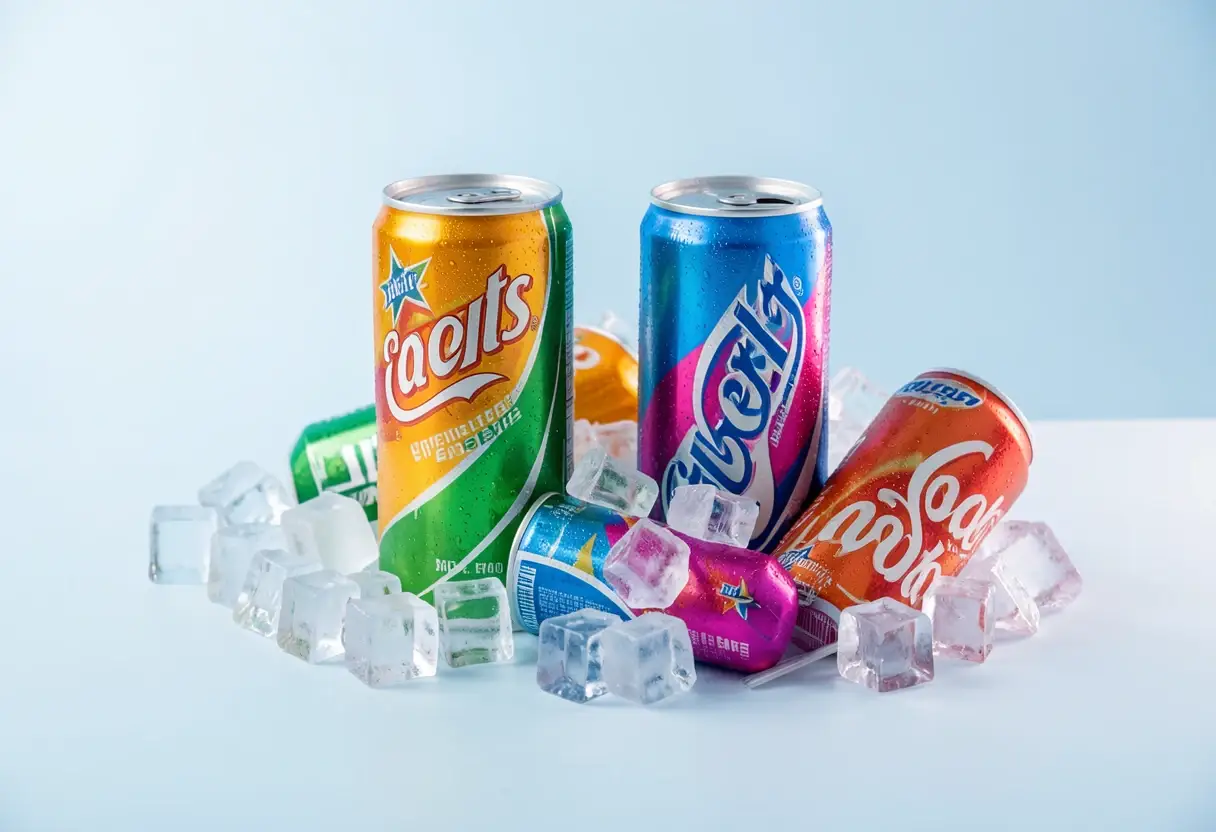
Allison and Stephen Ellsworth sold their probiotic soda brand Poppi to PepsiCo for $1.95 billion last year. Now they're back with a second brand: Jetty, a hydration drink making its public debut and aimed squarely at a $40 billion electrolyte category still owned by legacy players Gatorade and Powerade.
The founders built Jetty around a simple frustration. Ellsworth, 39, is an active mother of three boys who found it hard to stay hydrated. Her routine meant ripping open electrolyte powder packets and mixing them into water, usually making a mess on the kitchen counter. Her husband Stephen started blending his own hydration drinks at home as a fix. At some point Ellsworth looked at him and said: "Oh my god, we're doing this again, aren't we?" They were. That kitchen experiment became their sophomore company.
What does Jetty actually sell?
The product positions itself as everyday hydration, not a sports-niche drink. The formulation is the pitch:
- 6 grams of sugar per serving
- 45 calories
- No artificial colors
- No artificial sweeteners
That nutritional profile is the sharpest weapon against incumbents. Gatorade and Powerade built the category on formulations an increasingly label-literate consumer now questions. Jetty's spec sheet is designed to survive that scrutiny.
What does this change for CMOs?
The honest answer: the competitive set in functional beverages just got another well-funded, proven entrant. The Ellsworths have done this before, and at a near-$2 billion exit. That track record matters for three reasons.
First, retailers will take the meeting. Founders with a billion-dollar exit get shelf space faster than unknown challengers. Second, the playbook is validated. Poppi proved a kitchen-born brand can scale into a PepsiCo acquisition in a compressed window. Third, the target category is big and stale. A $40 billion electrolyte market dominated by two legacy brands is exactly the kind of setup where challenger marketing tends to perform.
Why the second act is the story
Plenty of founders cash out and disappear. The Ellsworths are going again, and they've picked a category adjacent to the one that made them rich. Poppi rode the prebiotic and gut-health wave. Jetty rides hydration, a demand curve that has pulled everything from powders to ready-to-drink cans into mainstream grocery carts.
The consumer they're targeting is themselves. Ellsworth isn't an elite athlete. She's a busy parent trying to drink enough water between school runs and work. That everyday-consumer framing, rather than performance athletics, is the strategic bet. It widens the addressable market beyond what Gatorade's sports heritage was built to serve.
Incumbents should note the pattern. A brand built in a home kitchen, sold for $1.95 billion, has now turned its attention to their category. Jetty's public debut is the starting gun. The formulation is clean, the founders are proven, and the $40 billion prize is sitting there.
Source: adweek.com/feed/
Filed under
- functional-beverages
- brand-positioning
- category-disruption
- electrolyte-drinks
- consumer-packaged-goods
More from Rebecca Stone
Show full bio
News editor covering regulation, policy and their impact on marketing leadership at CMO Observer.
66 articles
Related articles




The newsroom digest
One email a day with the stories that matter. No noise.