Brand StrategyBrief B-293
Prediction Markets Bet Big on Branding After Midterm Win
Kalshi and Polymarket drew nearly $1.9 billion in midterm wagers. With the NFL banning prediction market ads, the Super Bowl becomes their off-broadcast branding test.
Kalshi and Polymarket pulled in nearly $1.9 billion in combined wagers on the U.S. midterm elections, and both brands now face a harder test: making themselves household names without access to the biggest advertising stage in American media, the Super Bowl broadcast.
The number comes from a Washington Post analysis of the two platforms' election volumes. It marks the first time prediction markets—platforms where traders buy and sell "yes" or "no" contracts on real-world outcomes—have registered that scale of consumer engagement around a single political event, and both companies spent real marketing dollars to get there.
How the brands spent October
In mid-October, a billboard in Times Square showed the live odds of Democrats winning the Senate. The sign did not belong to a polling firm or a cable broadcaster. It was an ad for Kalshi.
Polymarket went big on marketing in the same month. The two rivals effectively ran parallel campaigns aimed at pushing prediction markets from a niche trading product into mainstream awareness. By the election, the return on that spend looked strong: the $1.9 billion in combined wagers on the midterm vote.
Kalshi's forecasts also performed. The platform's election predictions called 98% of resolved races correctly, according to Adweek's reporting on the results. The model missed some major upsets, including Greg Abbott's loss in Texas. That track record—right on the overwhelming majority of races, wrong on the races people remember most—is the branding tension the platforms now carry into their next campaign.
What does the NFL ad ban change?
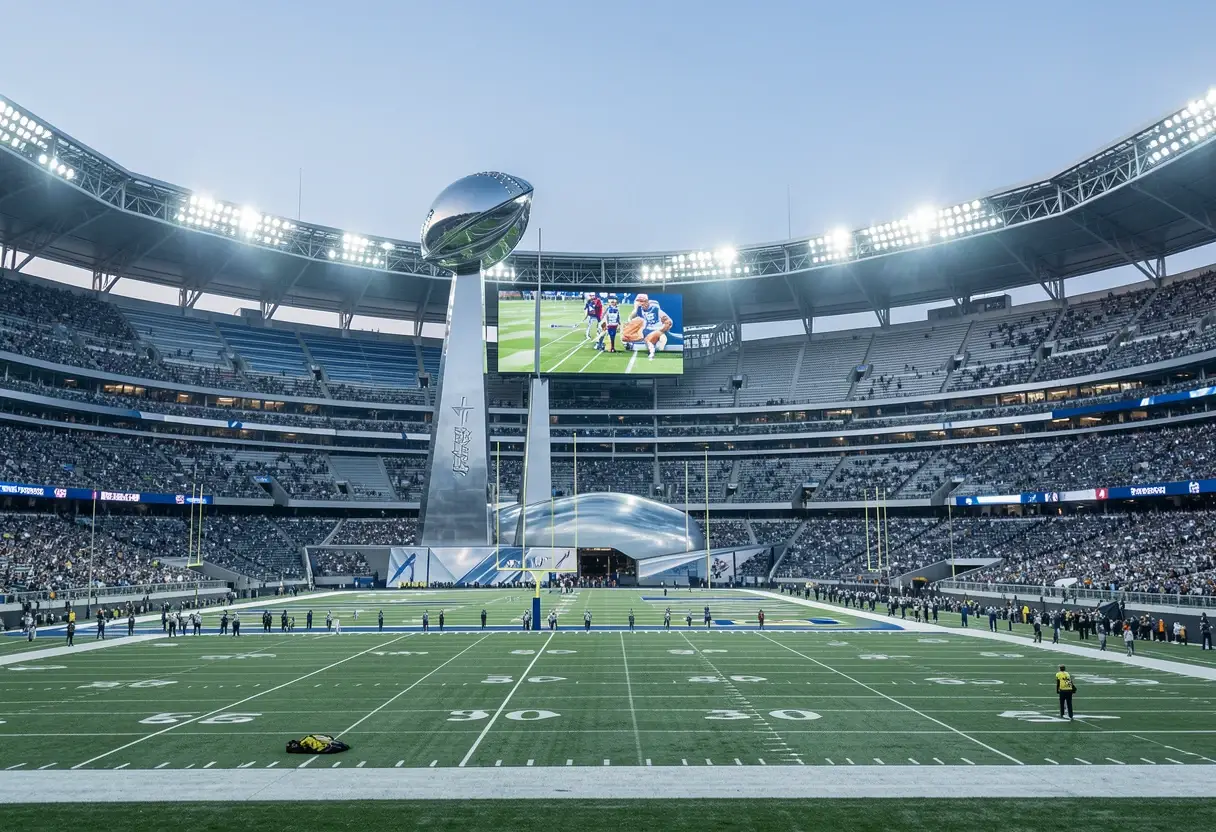
The National Football League bars prediction market companies from advertising during the Super Bowl. That forces both brands to sidestep the game's broadcast entirely, denying them the single largest reach event in U.S. advertising and one that sportsbooks have used repeatedly to build mass recognition.
The ban turns the Super Bowl period into an off-broadcast branding test. The platforms must find audiences through channels outside the telecast itself—out-of-home placements like the Times Square billboard, digital media and earned coverage—while their categories stay absent from the most-watched commercial slots of the year.
Why marketing leaders should watch this
The midterms demonstrated two things at once. First, that a category most consumers had never traded in can be introduced at scale in a matter of weeks, with measurable volume to show for it. Second, that regulatory and league restrictions can shut the most valuable media placements off before a brand can buy them.
For chief marketing officers, the pattern is straightforward. Kalshi and Polymarket converted a concentrated October push into billions in transaction volume, validated their product's core promise at 98% prediction accuracy, and now must build brand awareness inside advertising constraints their sportsbook predecessors never faced at the same stage. The Super Bowl cycle will show whether off-broadcast strategies can do that work.
Source: adweek.com/feed/
Filed under
- prediction-markets
- kalshi
- polymarket
- brand-awareness
- super-bowl-advertising
More from Sophie Lindqvist
Show full bio
Senior reporter covering money, funding and market shifts around marketing leadership at CMO Observer.
67 articles
Related articles



The newsroom digest
One email a day with the stories that matter. No noise.