Creative & CampaignsBrief B-821
Tourism Tasmania Tells Aussies It's 'Not Really For Tourists'
Tourism Tasmania's 'Not Really For Tourists' campaign via BMF leans on research that 75% of Australians prefer being called travellers, with 86% saying tourist mindsets spoil holidays.
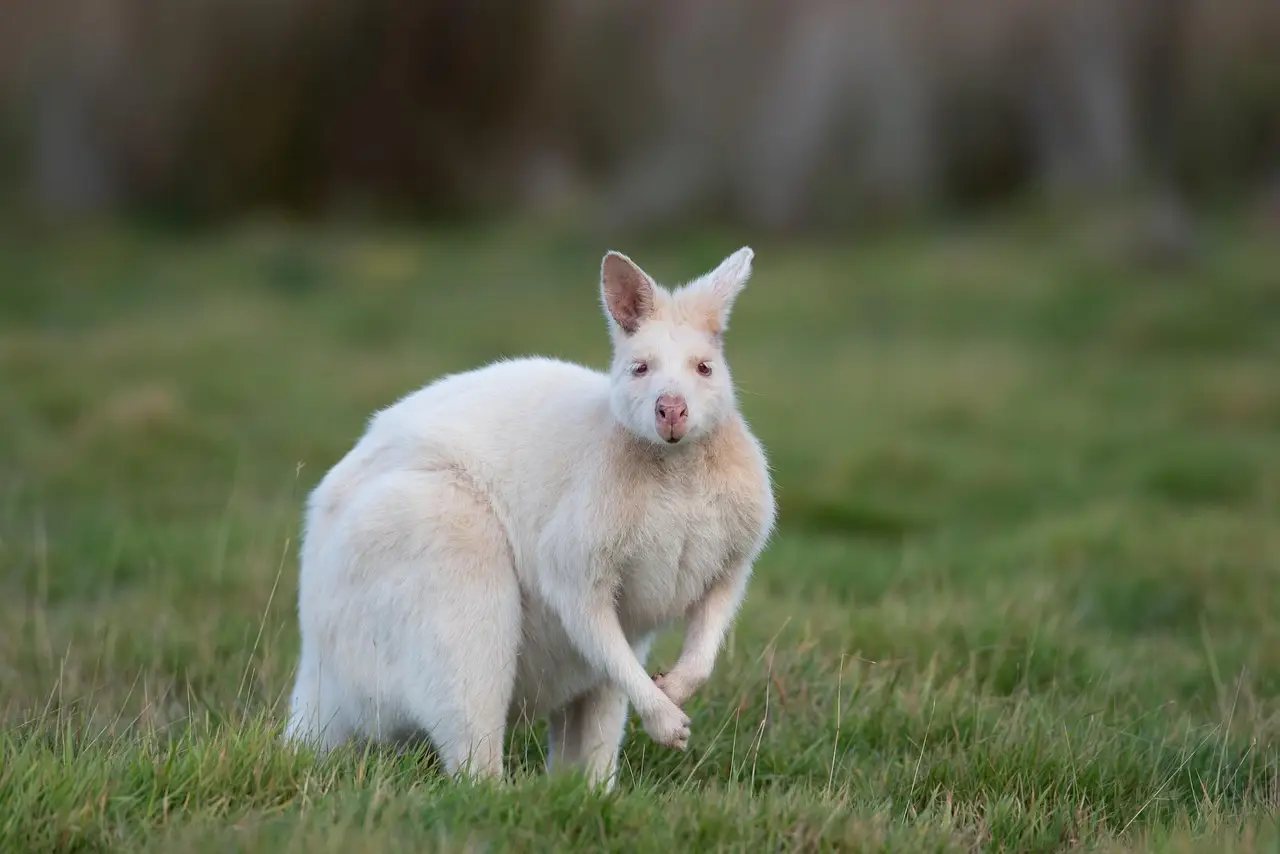
Tourism Tasmania has launched a domestic campaign called 'Not Really For Tourists', built on research showing 75% of Australians would rather be called a 'traveller' than a 'tourist'. The campaign, created by BMF, is the latest evolution of the agency's award-winning 'Come Down For Air' platform, now seven years old.
The number that anchors the strategy runs deeper than the headline stat. Nationally representative research by Decibel Research found 86% of Australians believe tourist mindsets can detract from holiday enjoyment. The study also identified Australia's top five 'tourist conditions' — the habits and mindsets people most recognise in themselves — and found a strong appetite for deeper, more authentic travel experiences. That's the audience insight Tourism Tasmania is betting on.
What does the campaign actually say?
The work is deliberately irreverent rather than anti-tourist. It holds a mirror to familiar habits: overplanning, chasing viral trends, following online reviews blindly, queuing and shooting content instead of being in the moment.
The hero film, 'The Line Up', follows a tourist in an unidentifiable city who joins an endless queue for a viral pastry. The line stretches across the ocean. He loses sight of why he joined it, finds himself in Tasmania, steps out of the queue and discovers something more rewarding. The film closes on the line 'Not Really For Toursists' — a playful provocation repeated across the wider campaign.
Print and OOH copy leans on wry headlines such as 'Itineraries will only get you so far', 'Draws a small crowd' and 'The best feeds won't make your feed'.
Where and when it runs
The campaign rolls out across Australian screens from launch day, phased to establish the proposition through context-led advertising first, supported by earned media, social and advocacy storytelling. The paid mix includes:
- Free-to-air television, BVOD and cinema in mainland Australia
- Digital, social, print and large-format out-of-home, plus media partnerships with The Daily Aus and Broadsheet
- A full-page manifesto in selected Nine and News Corp mastheads, backed by social placements
The OOH rollout targets busy tourist and transport locations over the summer holiday period. A digital domination at Manly Wharf in Sydney will reach ferry passengers, while a takeover of Melbourne's Southern Cross Station catches travellers moving through the city. Tram portraits in Sydney and large-format murals in Sydney and Melbourne extend the footprint.
Why the CMO is defending the premise
Tourism Tasmania Chief Marketing Officer Lindene Cleary said the campaign builds on seven years of 'Come Down For Air' and evolves the platform to keep it distinctive.
"'Come Down For Air' has always been about experiencing the world a little differently. Seven years on, the pressures of life have become even more pervasive, and the need to slow down, think, feel and connect is more relevant than ever," Cleary said.
She also addressed the obvious tension in a tourism agency telling people it's not for tourists: "'Not Really For Tourists' isn't meant to be taken literally or as an exclusionary statement — we're a tourism agency, after all, and that's part of the tension we're having fun with." She added that there's a genuine message beneath the humour: inviting Australians to reflect on what travel means to them and what they contribute along the way.
"As a challenger brand, we know we need to be brave and distinctive to keep cutting through in a crowded travel market," Cleary said, noting the campaign was designed to subvert the conventions of tourism marketing.
David Fraser, Executive Creative Director at BMF, framed the timing: "It's almost impossible to travel in 2026 and not find yourself in a crowd, queue, or 'must-do' activity at some point. Tasmania offers a breather from much of that. A freedom to travel on your own terms."
The activation layer
Beyond paid media, the campaign includes five De-Tourist Trails across Tasmania, live at discovertasmania.com.au, collectively featuring more than 200 places to explore, experiences and places to stay. A competition gives four Australians a Tasmanian holiday for two, each winner matched to one of four regional trails.
Former newsreader Lee Lin Chin fronts 'Lee Lin Chin Investigates', a series of video shorts released at launch. Eight years after leaving television news, Chin visits Tasmania for the first time and becomes the first person to experience a De-Tourist Trail. Advocate and creator partnerships across Instagram and TikTok span culture, food, visual storytelling and positive-impact travel.
What does this change for discovery?
One detail deserves attention from marketing leaders. The campaign's cross-platform approach includes a distributed discovery strategy combining social search with generative engine optimisation across AI-powered search and LLM-driven platforms — aimed at improving discoverability while giving AI systems the context to understand the campaign's wry, easily-misread positioning.
Agency roster: BMF (creative), Havas Red (PR), Orchard (digital), Starcom (media), Finch ('The Line Up' film production) and Chee Productions (stills and video).
Source: campaignbrief.com
Filed under
- tourism-tasmania
- not-really-for-tourists
- bmf
- tourism-campaign
- generative-engine-optimisation
More from Rebecca Stone
Show full bio
News editor covering regulation, policy and their impact on marketing leadership at CMO Observer.
66 articles
Related articles


The newsroom digest
One email a day with the stories that matter. No noise.