Uber Saw Just Four AI-Agent Booked Rides in Its Busliest Week
AI agents booked just four Uber rides and ~500 Uber Eats orders in a 320-million-trip week; DoorDash reports only 'several hundred' agent orders total.
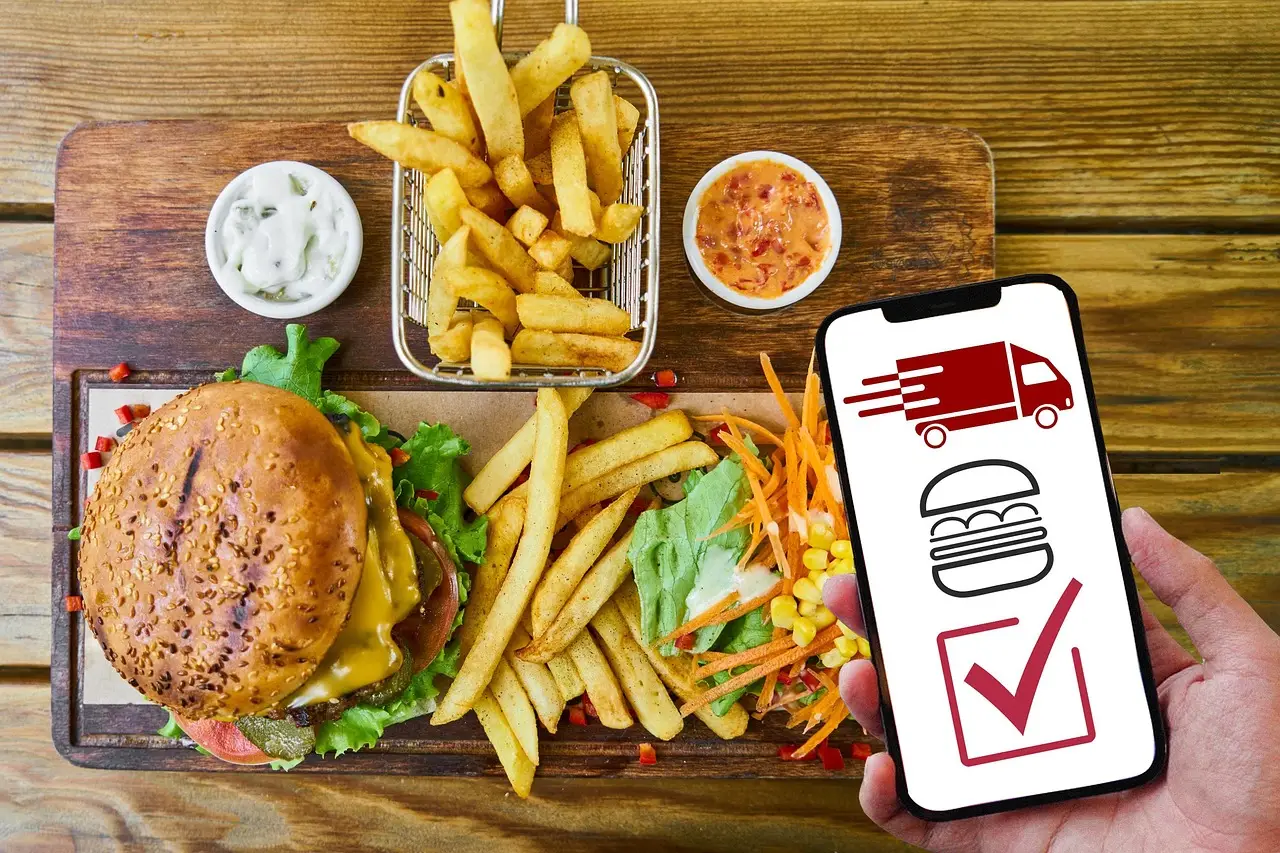
Four. That's how many ride-hailing trips AI agents booked on Uber during the last week of October — one of the company's biggest weeks ever, with 320 million rides and deliveries combined.
CFO Balaji Krishnamurthy disclosed the figure on Uber's third-quarter earnings call on Wednesday. AI agents also accounted for roughly 500 Uber Eats orders that week, out of those hundreds of millions of trips. "It is very, very early, and very limited traction that we have seen so far," Krishnamurthy said.
The numbers land as a cold splash on the agent-commerce narrative. AI agents — software tools that browse and transact on a user's behalf, such as Meta's Muse or Instact-style shopping assistants — were widely predicted to rewrite how consumers order online. So far, consumers haven't shown up.
What are the numbers, exactly?
- Uber completed 320 million ride-hailing and delivery trips in the last week of October, boosted by Halloween demand, Krishnamurthy said.
- ~500 of Uber Eats' orders that week came through AI agents.
- 4 ride-hailing trips were agent-booked.
- DoorDash CEO Tony Xu said a week earlier his company has received "several hundred orders in total" from AI agents — a sliver of the billions of orders DoorDash delivers annually.
Put plainly: agent-driven volume is rounding error at both platforms.
Why aren't shoppers handing over their carts?
Business Insider's earlier reporting on agent shopping (tools like Instinct and Muse) points to a trust gap, not a capability gap. Shoppers have used agents to buy plane tickets and groceries and to monitor prices. But the same users report ordering errors — wrong items, wrong quantities — and a persistent worry about an autonomous system going rogue with saved credit card details. That combination pushes most people toward cautious, supervised use rather than full delegation.
For a marketer, the takeaway is simple: agent-initiated orders are not yet a channel with measurable scale. Any agentic-commerce strategy today is a test bed, not a funnel.
What does this change for the platforms?
Nothing strategic, apparently. Both companies are building anyway.
DoorDash said in September it is testing a text-to-order feature that lets customers place orders without opening the company's app at all — an implicit bet that conversational ordering, whether typed or agent-mediated, is where repeat behavior will form.
Uber, for its part, disclosed the agent figures unprompted on its earnings call, framing them as an early-stage signal worth monitoring rather than a metric to manage.
The practical read for CMOs
Two years of agent hype has produced hundreds of orders, not millions. The companies that own the demand — Uber and DoorDash — are hedging by building their own ordering interfaces rather than waiting for third-party agents to intermediate them. Watch DoorDash's text-to-order rollout and Uber's next quarterly disclosure. When agent-order counts move from hundreds to tens of thousands, the channel will have arrived. Until then, budget accordingly.
Source: feeds.businessinsider.com
Filed under
- ai-agents
- agentic-commerce
- uber
- doordash
- e-commerce
More from Marcus Bennett
Show full bio
Correspondent covering money, funding and market shifts around marketing leadership at CMO Observer.
84 articles
Related articles



Read also
The newsroom digest
One email a day with the stories that matter. No noise.