Creative & CampaignsBrief B-375
Waymo’s Women’s Safety Campaign Targets Robotaxi Skeptics
Waymo’s 60-second “Because Women” campaign connects survey findings on women’s safety with a fleet completing more than 500,000 autonomous trips weekly across 15 U.S. cities.

Waymo is betting that a 60-second national ad can persuade women who question the safety of driverless taxis, or robotaxis. The Nov. 5 launch of “Because Women” comes as the Alphabet-owned operator completes more than 500,000 autonomous trips each week across 15 U.S. cities.
That is the measurable wager behind the campaign. Waymo is not merely adding another awareness message. It is using research about perceived personal safety to address a specific barrier to driverless-taxi use. The company’s first national advertising effort, launched during the World Cup, already aimed to humanize the service and promote its ambition of becoming “the world’s most trusted driver.”
Why is Waymo focusing on women?
Waymo bases “Because Women” on survey data showing that women feel safer riding in driverless vehicles. The campaign summary also says women feel safer in Waymo’s own robotaxis. That gives the brand a direct proposition. It also leaves a question open.
The announcement discloses no survey sample size, fieldwork dates, question wording, margin of error, respondent profile, recruitment method, or results for competing robotaxi operators directly. It supplies no numeric gap between women’s and other riders’ safety perceptions. Nor does it present crash, incident, or comparative safety data. The cited evidence points to a directional finding about feelings, not the size or durability of the effect.
Waymo’s decision is commercially understandable. If women already perceive driverless vehicles as safer, a message built around that perception may help the company convert interest into rides, although the research needed to quantify that effect remains undisclosed. The caveat is immediate: reassurance based on an undisclosed survey cannot establish comparative safety outcomes. It can only show that some respondents feel safer.
What does the new advertisement show?
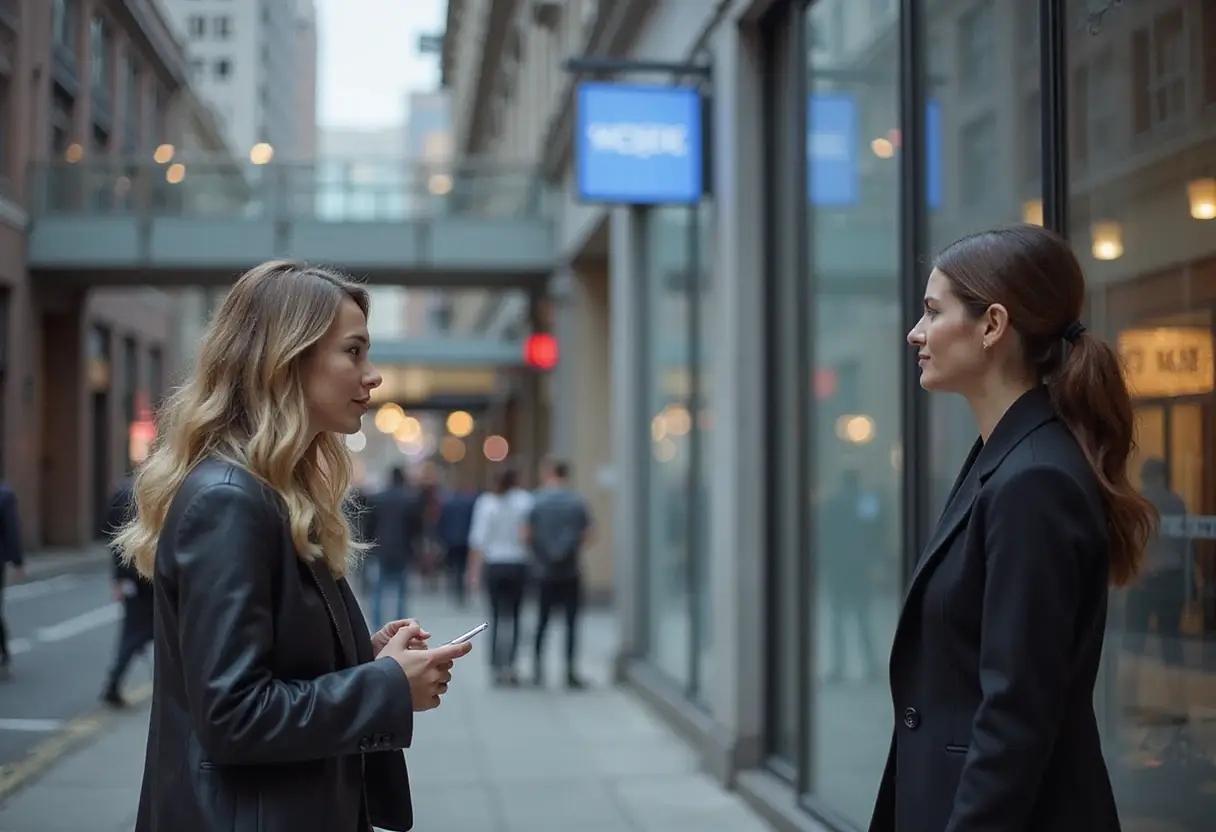
The 60-second spot debuts Nov. 5 and follows a series of women walking alone to catch Waymo rides in the company’s signature white, modified Jaguar I-Pace SUVs. The sequence puts the safety claim inside an everyday journey. It uses the act of catching a ride as the proof point.
“Because Women” is the next phase of Waymo’s larger “Because” brand platform, which launched in June. The campaign name connects that broader effort to the concern Waymo says shapes women’s attitudes toward driverless travel. The approach is direct. Women appear in the campaign because the research supposedly tells Waymo they may respond to a safety message from a familiar perspective.
The production story may matter as much as the premise. An all-female team created the advertisement. Director Mollie Mills and Oscar winner Autumn Durald are among its members. The announcement does not specify the agency involved or provide additional credits beyond identifying Mills as director.
Can an all-female team make the safety message credible?
An all-female team can give a campaign about women’s safety a closer relationship with its intended audience, although creator identity cannot establish the underlying claim on its own. That is a plausible communications advantage, not evidence that the safety claim is correct. Representation may improve attention or relevance. It cannot replace transparent research, comparable performance data, or independent testing.
Waymo should also separate brand reassurance from safety proof. The announcement offers a perception finding and a creative rationale. It does not set targets for changes in trust, purchase consideration, bookings, or ridership among women. It names no campaign budget, media plan, or performance benchmarks. A national campaign can create visibility without resolving the skepticism it targets.
What does the operating scale add?
The campaign arrives against measurable service activity. Waymo completes more than 500,000 autonomous trips weekly in 15 U.S. cities. That weekly trip volume gives the brand a broad operating footprint. Waymo asks one 60-second advertisement to sell trust in a service that already handles more than 500,000 trips every week across 15 U.S. cities, with no disclosed target for changing rider behavior.
Scale still does not answer the campaign’s central question. More trips demonstrate service activity, but the supplied material does not show how many riders are women, whether they feel safer after riding, or whether they choose Waymo because of the “Because Women” message. Nor does it show whether the survey applies equally across all 15 cities.
The narrower conclusion is this: Waymo has identified women’s perceived safety as a marketing opening and turned it into a national campaign. The company can point to a 500,000-plus weekly trip operation and an all-female creative team. Whether either fact changes attitudes or demand remains unproven until the brand and independent evidence provide results.
Source: adweek.com/feed/
Filed under
- waymo
- robotaxis
- women-s-safety
- brand-trust
- advertising-campaigns
More from Nathan Brooks
Show full bio
Staff writer covering companies, deals and strategy in marketing leadership at CMO Observer.
58 articles
Related articles



The newsroom digest
One email a day with the stories that matter. No noise.