Webflow's 2,000-Site Study Finds Median Company Appears in Just 16% of AI Answers
Webflow scored 2,000 US websites for AI answer-engine readiness: median mention rate is 16%, citation rate 6%, and overall maturity just 2 of 5. Technical basics fail almost everyone.
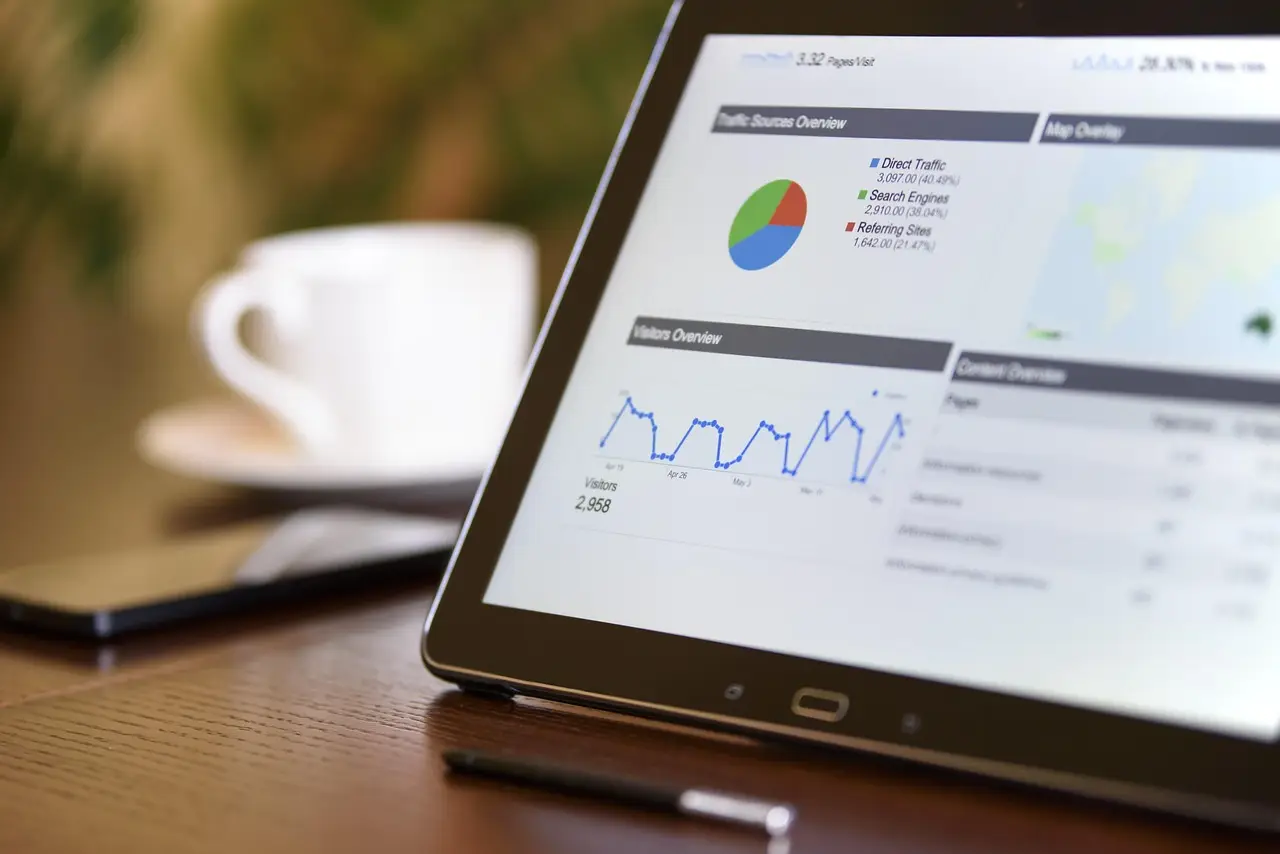
The median US company shows up in only 16% of answer-engine responses to typical prospect questions, and gets a cited link just 6% of the time. That's the core finding of Webflow's new AEO Maturity Index, released in 2026, which scored the live websites of more than 2,000 US companies across industries and company sizes. Overall maturity landed at 2 out of 5. The company also found answer engines got a company's facts wrong roughly one-third of the time when it was mentioned, and almost never conveyed what makes it different.
The business case is already here. G2 surveyed B2B software buyers and decision-makers: 51% said they'd start their shortlists with answer engines more often than Google, and 69% changed the software they bought because of LLMs. Webflow adds that AEO now comes up in essentially all of the hundreds of CMO conversations it holds each quarter.
Why is this harder than SEO?
For fifteen years, getting found online was one team's job. A specialist chased keywords, tuned meta tags and watched rankings. The rest of the company heard about it only when something broke.
LLMs changed the inputs. When a prospect asks ChatGPT, Gemini or Claude about your category, the answer is shaped by engineering, content, brand, comms and data teams together. Google never reshaped marketers' storylines; answer engines do, presenting companies in neutral, factual tones that strip out positioning.
What does the maturity model measure?
Webflow built a five-level rubric spanning four categories. The scores across the 2,000 sites:
- Overall: 2
- Content: 1
- Technical: 1
- Authority: 2
- Measurement: 3
The four categories barely overlap. Correlation between them sits below 0.3, under 9% shared variance, so each is an independent contributor. Moving from level 1 to level 3 lifts mention rate 2.3x and citation rate 3.7x.
Companies scored best where cross-functional work already exists — analytics, brand, product marketing and PR. They scored worst on fundamentals fully under their own control.
What's holding brands back?
Technical readiness is the biggest gap. Almost all companies scored a 1. The reasons are mundane: 62% have broken internal links, and 60% lack SEO metadata. The realistic explanation? Fixes historically required an engineer and a marketer in the same room, and that almost never happens.
Content freshness is the second anchor. The median ChatGPT citation was updated six months ago, yet 54% of companies have updated less than a tenth of their content in that window.
Authority has an outsized impact. On-site authority — data, sources, credentials backing claims — showed the single strongest correlation with mention rate. Yet 55% of companies lack basic on-site authority, like author bylines, on 85%+ of relevant pages, and 73% are mentioned in less than a quarter of the places LLMs cite for their category.
Do size and sector matter?
Yes, but not decisively. Larger brands see a mention rate of 23% versus 11% for smaller ones, a 60% higher citation rate and 80% higher share of voice. Big brands get there through authority; small brands compensate with higher content and technical maturity. Any brand can improve by managing what it controls.
B2B SaaS firms were mentioned 40%+ more often than B2B industrial companies (20% vs 14%) and cited more than twice as often (13% vs 6%). The Forbes AI 50 play in a different league: mentioned almost twice as often (31% vs 16%), with 3x fresher content and 60% more recognition as thought leaders.
Who's doing it well?
Among the MANGOS (Meta, Anthropic, Nvidia, Google, OpenAI, SpaceX), Google — via deepmind.google — ranks most mature, with a 5-of-5 authority score, 3-of-5 technical and 2-of-5 content. Nvidia follows, with an 86% mention rate. Krea.ai took the only 4-of-5 overall score among the Forbes AI 50; Abridge, BaseTen and Cohere trail it. AllState topped the Ad Age Top 50 ad spenders on a 5-of-5 authority score, with Progressive posting the best visibility in that subset at 44%. Among 2026 Cannes Grand Prix winners, none reached the top tier — Columbia, Heineken, Suncorp Insurance and Adidas led that group.
Webflow frames the blockers as fixable fundamentals, not dark arts: clean up broken links, add structure and schema, answer real buyer questions, keep content fresh, earn credible mentions and measure what the engines see. The company notes 93% of executives say AEO will impact their entire business within two years. Its conclusion is blunt: no single team can do this, and no company yet does all of it at the highest level.
Source: feeds2.feedburner.com
Filed under
More from Rebecca Stone
Show full bio
News editor covering regulation, policy and their impact on marketing leadership at CMO Observer.
101 articles
Related articles




Read also
The newsroom digest
One email a day with the stories that matter. No noise.