AI agents make a small Black Friday dent, not a retail takeover
AI assistants account for less than 1% of retailer web traffic, while only 500 of Uber’s 320 million final-week October transactions came from agents. Retailers and shoppers are moving cautiously.

By Sophie Lindqvist
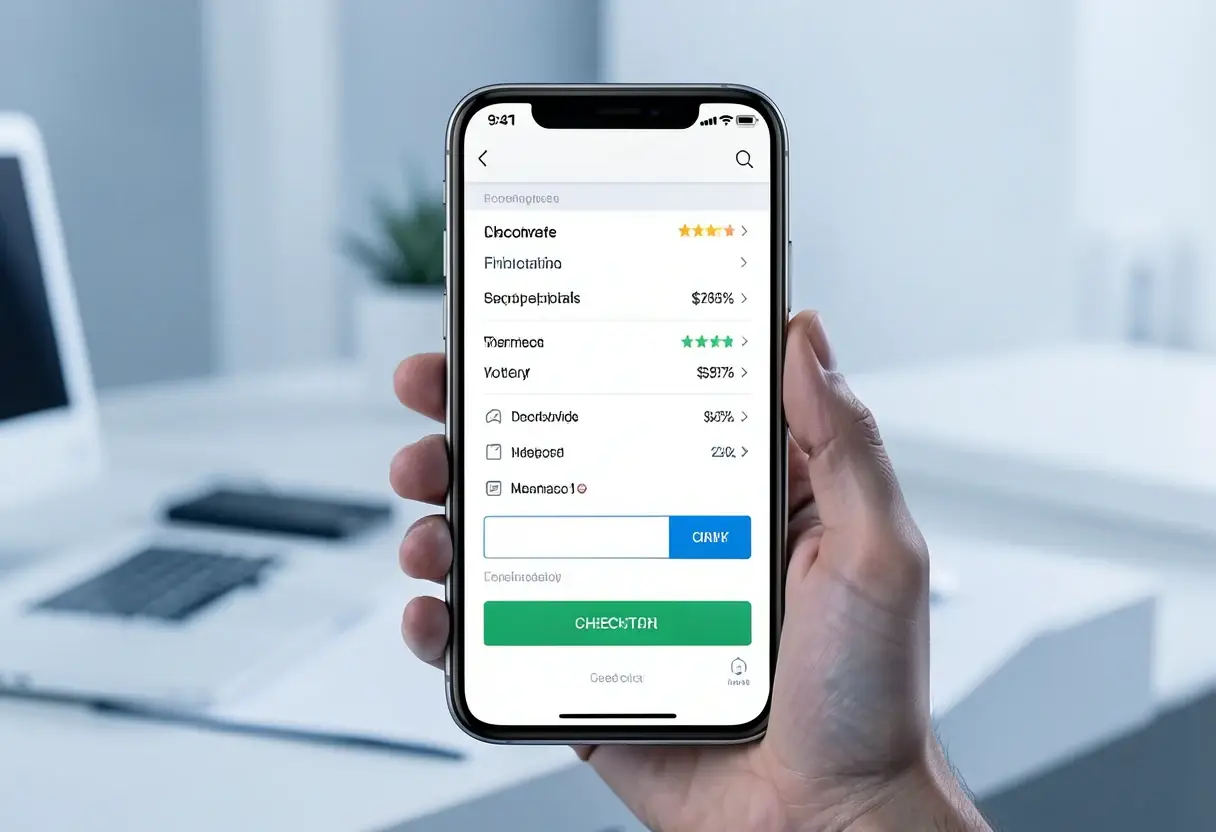
AI assistants account for less than 1% of retailers’ web traffic as this holiday season tests whether general-purpose agents can move from product suggestions to safe purchases. Meta launched Muse in September; this is the first holiday season since easy-to-use agents such as Muse and Instinct reached the general public.
Dean Mandelos, a 29-year-old therapist in New York City, asked Muse to find a gift for his sister, who loves to cook. The agent had already helped him list and sell items on eBay and organize bids from contractors for a door replacement. It recommended a set of knives.
Mandelos said: “I think that it was giving some good ideas. I just think that the thing that AI consistently misses is, like, the social aspect. My first thought would have been that it would suggest a cookbook or something. But instead, it went right towards actual tools and equipment.”
Muse also encountered expired or sold-out listings and blocks from Amazon and eBay. Mandelos would like it to operate on its own, but said he needs a stronger reason to trust it.
The trust bottleneck
“It’s the first Black Friday that AI can really play a meaningful role for sure, but it’s not fully autonomous yet,” Kantar retail analyst Gina Logan said. “Two-thirds of shoppers are using AI for shopping at least sometimes, but over half still prefer to control their own shopping decisions.”
Logan said a poor agentic experience could undermine years or decades of trust. Target CEO Michael Fiddelke and Home Depot’s head of online experiences said their AI strategies focus on the best customer experience rather than choosing a side on external agents.
Early traffic remains small
- Bain & Co.’s analysis of Similarweb data found AI assistants account for less than 1% of retailer web traffic; broader data put bot-assisted buying at about one in 100 online shoppers.
- Uber processed about 320 million transactions in the final week of October. Only about 500 came from AI agents. DoorDash also said very few of its customers use agents.
- A Zappi survey found that 1% of respondents mentioned, without prompting, that they use AI to shop.
- Bain found that AI search is almost twice as effective as traditional web search at ultimately converting to a sale, even as adoption rises fast.
Abhishek Bora, head of growth at streetwear retailer All Star Elite, said agentic traffic accounts for about 1% of his website traffic, mostly from Muse. He remains unsure whether those agents complete purchases or only locate items for customers to click a buy button.
Bora said the retailer receives a Muse purchase once or twice a week. He called the volume small but said All Star Elite has optimized for it by adding machine-readable data layers that help agents understand products and promotions.
Zappi founder and chief innovation officer Steve Phillips said the unprompted 1% skew younger, wealthier and more tech-savvy. He said early adopters tend to buy new Apple phones first. He compared this stage with early internet hotel booking, when travelers researched rooms online but reserved by phone, and called trust the central constraint.
What does this change for retailers?
It shifts the near-term priority from autonomous checkout to product discovery, machine-readable commerce data and permission rules that keep shoppers in control. Joko co-founder and CEO Xavier Starkloff said agents currently add more value in search than at checkout.
Starkloff said agents can draw on more data, interactions and time than earlier chatbots. He called Black Friday a useful test because shoppers are looking for the right deals, but stopped short of endorsing a fully autonomous buying model.
Walmart is rolling out tools that make agentic shopping easier. Amazon is blocking third-party bots and steering shoppers toward Alexa. Target and Home Depot have not taken a side, while their stated priority remains the customer experience. Logan compared the adoption challenge with early shopping carts, which retailers had to put in stores before shoppers embraced them.
Amrita Bhasin, co-founder and CEO of sustainable supply chain startup Sotira, uses OpenAI’s ChatGPT and Google’s Gemini to find apparel and beauty products, including brands she does not know. She still completes purchases herself because buying itself is simple, while choosing what to buy creates severe decision fatigue. She fears an agent will choose wrongly and leave her accountable.
Bhasin said fast, simple checkout on sites such as Amazon still leaves her in charge. She plans to use agents this holiday to find items at specific retailers, online and in stores, where she can buy several gifts at once.
The gift problem
Holiday shopping lasts for weeks and carries social meaning beyond replenishing staples. A gift for a coworker or neighbor carries less weight than a special gift for a loved one, and recipients may object if they learn an agent handled the choice.
Mandelos’s approach illustrates the effort agents may require. He is giving Muse detailed prompts and a strict budget for friends, while finding his sister’s gift the traditional way. He sees extensive prompting as a 21st-century form of care, but acknowledges that the most distinctive choices still demand human judgment.
The measurable Black Friday result is not autonomous shopping at scale. It is a small channel that retailers must earn through better data, clearer permissions and fewer purchasing errors.
Source: feeds.businessinsider.com
Filed under
- ai-agents
- agentic-commerce
- retail
- black-friday
- customer-trust
More from Sophie Lindqvist
Show full bio
Senior reporter covering money, funding and market shifts around marketing leadership at CMO Observer.
93 articles
Related articles


Read also
The newsroom digest
One email a day with the stories that matter. No noise.