Jassy keeps the door open for outside AI shopping agents on Amazon
Amazon blocked Meta's Muse from buying on its site in September. On Tuesday, CEO Andy Jassy said the door isn't locked forever, provided the terms reach a fair exchange of value.
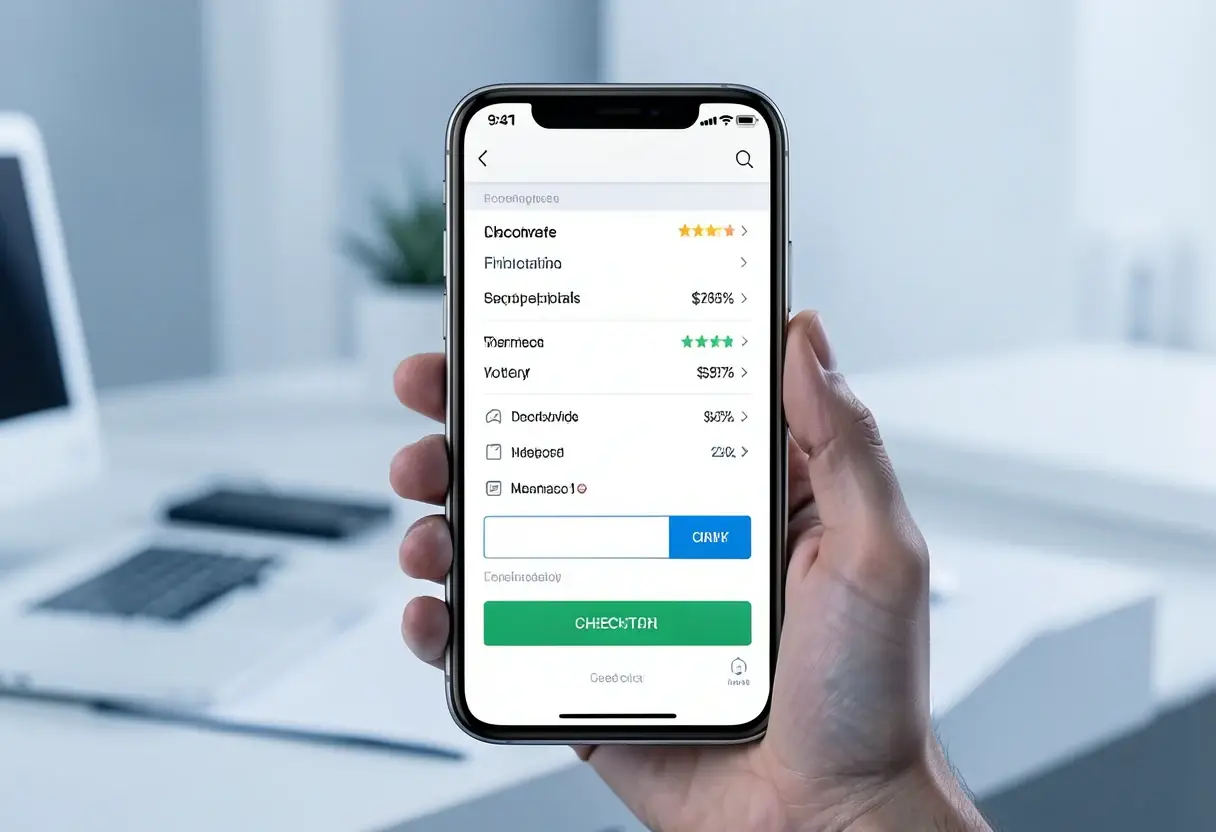
Amazon blocked Meta's Muse from completing purchases on its site in September. On Tuesday, CEO Andy Jassy said that block may not be permanent.
Speaking at Semafor's Silicon Valley & The World conference in Menlo Park, California, Jassy said Amazon has not ruled out letting outside AI shopping agents transact on its platform — software that browses on a shopper's behalf and can place orders.
"I don't think that we've said we're not going to open it up," Jassy said. "It's just that it has to be a good customer experience, which it hasn't been to date, and it has to be a fair exchange of value."
Nothing else changed on Tuesday: no policy reversal, no pilot, no start date, no fee schedule, and no timeline for either side of the debate.
What changed in September?
In September, Amazon publicly booted Muse from making purchases on its platform, saying the block "helps ensure a safe, secure, and reliable customer experience." Amazon has said it applies its policies evenly across agents.
Users have also reported that Instinct and Dots struggled to purchase items on customers' behalf on Amazon. As of Tuesday, no outside agent could reliably finish a checkout there.
Three agents dominate the debate: Meta's Muse, Instinct AI and OpenAI's Dots. They are advertised as taking action for a customer, including completing online purchases.
Why does the block matter to retailers?
Agents threaten the browsing experience retailers have long controlled, and they cut into the ad business that monetizes it. They also pose the questions keeping IT and security departments at American retailers awake: account security, identity verification, and who is on the hook when an order goes wrong.
The agents behave less like a search box and more like a personal shopper holding your credit card. An outside agent arrives without the order history, saved shipping details or stored payment credentials that make checkout work in the first place.
What does Amazon want instead?
Amazon is betting heavily on its own shopping tools, Alexa for Shopping and Buy for Me, both guided by Amazon's "About You" customer dossiers — stored profiles of what a shopper buys, where it ships and how it pays.
"I happen to believe that the primary way that people are going to use agentic shopping is going to be in concert with the retailer that they like to use," Jassy said. "You want to be able to tell the app, buy me the deodorant that I normally buy, and it has my past orders, and it has my shipping information, it has my payment information."
That description also explains why outside agents fail at the counter. The agent's advantage is the credentials the retailer already holds.
Who is pushing the other way?
Shopify has openly embraced outside AI shopping agents. Home Depot's chief information officer told Business Insider that the home improvement store's online marketplace wants agents to identify themselves first.
On the retailers' side of the ledger, Jassy said every retailer should "have the right to decide how they're going to interact with agents." Amazon is talking to each of the agent makers behind those requests.
What remains unanswered?
"Fair exchange of value" is a phrase, not a policy. Jassy did not say what Amazon would charge an agent's owner, what account data the agent would carry, or how the company would verify who sits behind a transaction.
The same security and verification questions that justified the September block apply to any reopening. Jassy's own tools — Alexa for Shopping and Buy for Me — compete directly with the outside agents he says he is talking to.
"We're talking to every one of those companies," he said onstage Tuesday. Conversation is the easy part; a posted fee schedule, a compliance framework and a launch date would be the expensive part, and none of the three has appeared.
Source: feeds.businessinsider.com
Filed under
- ai-shopping-agents
- amazon
- agentic-commerce
- e-commerce
- customer-experience
More from Nathan Brooks
Show full bio
Staff writer covering companies, deals and strategy in marketing leadership at CMO Observer.
93 articles
Related articles




Read also
The newsroom digest
One email a day with the stories that matter. No noise.