Amazon Drops Grubhub, Puts Uber Eats in Front of Prime Members
Amazon Prime members get Uber Eats instead of Grubhub from Nov 19, 2026: no Uber account needed, no delivery fee over $25, and $20 off the first two orders.
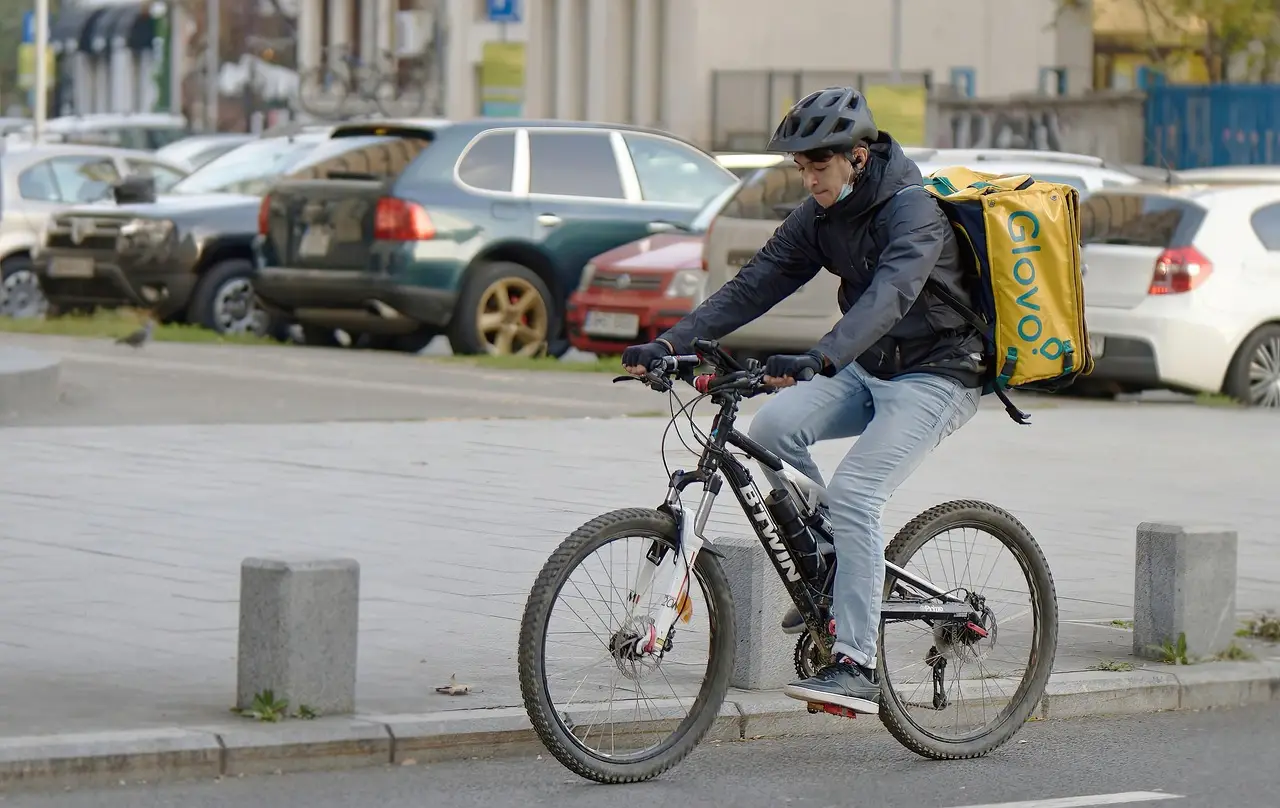
Amazon Prime members woke up on November 19, 2026 to a different restaurant-delivery button. Uber Eats has replaced Grubhub across Amazon's home page and shopping app, ending a four-year arrangement and resetting one of the larger distribution deals in US food delivery.
The switch, first reported by TechCrunch, puts Uber Eats in front of Amazon's Prime membership base. That's the mechanism worth watching for anyone who runs partner-channel marketing. Amazon isn't buying a delivery fleet. It's renting attention. Prime members now see Uber Eats inventory where they saw Grubhub, and the friction of switching has been engineered out.
What does the deal actually change for members?
Three practical things shift on day one:
- No separate Uber account. Prime members order through Amazon's surfaces without signing up with Uber. That removes the biggest single drop-off point in partner funnels.
- No delivery fee on orders over $25. Cross that basket threshold and the fee disappears. It's a classic nudge: the perk is priced to push average order value up, not just to reward loyalty.
- A launch coupon. Amazon offered $20 off across a member's first two orders. That offer expired November 18, the day before the swap went public — a tight window designed to convert curious browsers quickly.
The structure mirrors the old Grubhub arrangement in one respect. Amazon partnered with Grubhub four years ago and bundled a free subscription into Prime. It now does the same with Uber Eats: the membership perk carries over, only the vendor name changes.
Why the swap matters
Four years is a long run for a channel deal of this size. Amazon gave Grubhub placement in front of one of the largest paid-membership audiences in retail, and Grubhub gave Prime a food perk at no extra cost. Amazon has now decided that Uber Eats is the better asset for that slot — same shelf, different product.
For Uber, the win is distribution. Restaurant delivery is a volume business with thin margins, and Prime members arrive pre-qualified: they already pay for a subscription, they already have payment details stored, and they already shop inside Amazon's app. Amazon has effectively handed Uber a warm audience.
For Grubhub, the loss is a distribution channel it can't easily replace. Being inside the Amazon app meant free reach into households that order food regularly. Losing that placement pushes Grubhub back onto its own brand marketing and app-install economics.
For Amazon, the calculus is simpler. It holds the audience, so it can renegotiate the vendor whenever a better commercial term appears. The Prime bundle is the constant; the delivery partner is the variable.
What does this change for marketers?
The lesson isn't about food. It's about who owns the customer entry point. Amazon structured this deal so members never need an Uber account, never leave its app, and get a fee waiver tied to a $25 basket. Every part of the design keeps Amazon as the interface and the partner as invisible infrastructure.
Partner-channel marketers should read the fine print of their own deals accordingly. If your distribution lives inside someone else's membership bundle, the Grubhub outcome — four good years, then a clean swap — is the baseline scenario to plan around.
Source: retailcustomerexperience.com
Filed under
- partner-marketing
- distribution-strategy
- amazon-prime
- food-delivery
- customer-ownership
More from Rebecca Stone
Show full bio
News editor covering regulation, policy and their impact on marketing leadership at CMO Observer.
94 articles
Related articles
Read also
The newsroom digest
One email a day with the stories that matter. No noise.