Coca-Cola Drops AI From Its 2026 Holiday Ad After Backlash
Coca-Cola's 2026 holiday spot, made by WPP Open X and Ogilvy, drops AI entirely after last year's backlash and revives its 1971 jingle with new lyrics.

Coca-Cola will run its 2026 holiday commercial without a single AI-generated element, one year after the brand's AI-driven festive campaign drew consumer backlash. The reversal, from the world's most recognizable beverage marketer, marks one of the clearest signals yet that major advertisers are repositioning creative production as explicitly human-made.
The 30-second spot, titled "Enjoy Joy," comes from WPP Open X, the agency collective led by Ogilvy. It also breaks with another Coke holiday tradition: the polar bears are gone.
What does the ad actually contain?
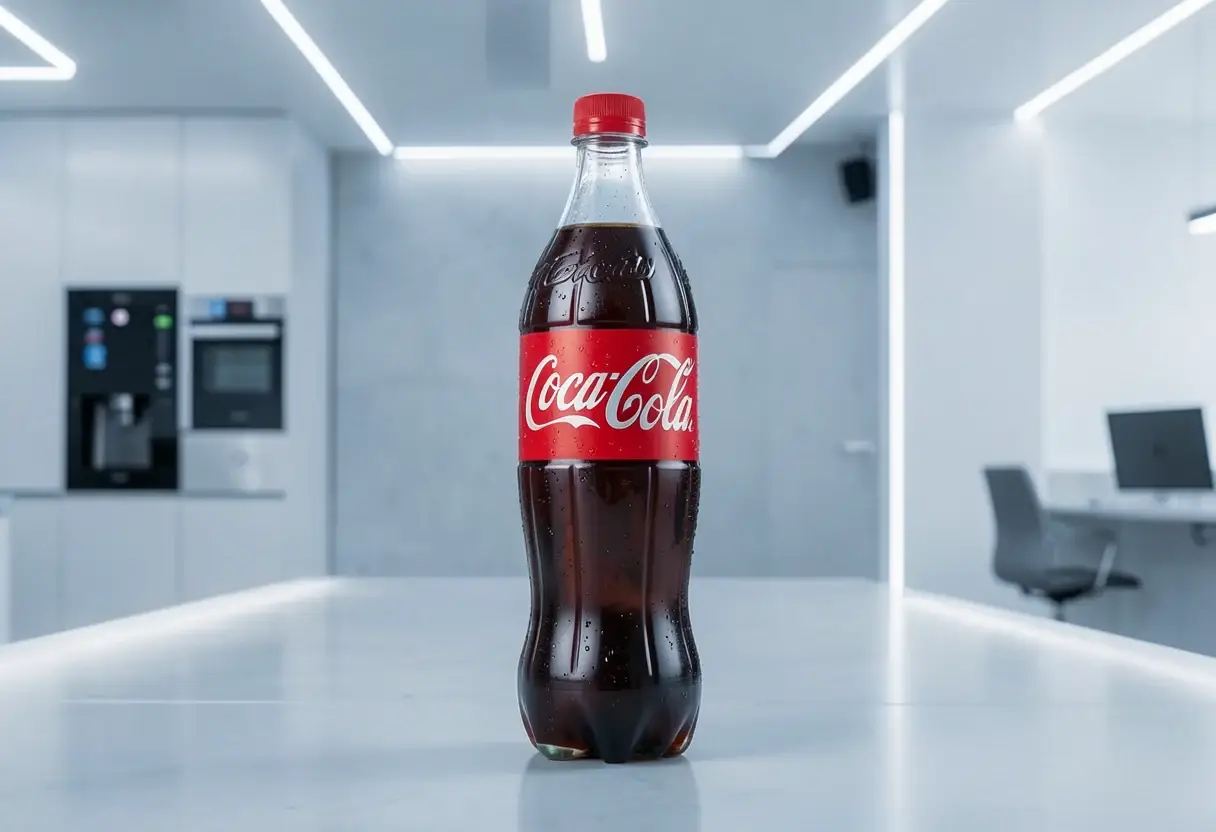
The film leans on a deliberately nostalgic, Norman Rockwell-style rendering of American family life. Friends and family toss a football in the yard of a white country farmhouse. The men deep-fry a turkey. Inside the cavernous dining room, the table carries food, laughter, embraces — and two-liter bottles of Coke.
The production is built for modern media fragmentation. Coca-Cola cut the 30-second master into 15-second and 6-second formats, and produced both English and Spanish versions of the spot.
Why the return to the 1971 jingle?
Coca-Cola resurrected its iconic 1971 jingle "I'd like to buy the world a Coke" for the campaign, with updated lyrics. The choice pairs the AI-free production with the brand's most famous piece of human-crafted advertising music, reinforcing the same message the creative strategy sends: heritage, craft, people.
That framing matters for marketing leaders watching the AI-in-production debate. The jingle dates from the "Hilltop" era, a touchstone of traditional brand advertising. Pairing it with an explicitly non-AI holiday spot turns the media plan itself into a positioning statement.
What does this change for CMOs?
The decision confirms a broader industry shift. Coca-Cola's move mirrors a trend of brands reassuring consumers that their creative remains human-made, rather than competing on AI-generated scale or cost. For chief marketing officers, the practical question is now explicit: AI production tools may cut costs, but consumer sentiment can penalize brands that use them in high-emotion, high-visibility brand moments such as holiday campaigns.
Coca-Cola's 2025 holiday work proved the risk. The backlash that followed it was loud enough that the 2026 reversal became part of the story before the spot even aired widely.
The lesson is not that AI is off the menu everywhere. It is that audience-facing brand advertising, where emotional authenticity is the product, is the category where consumers have drawn the hardest line. Holiday campaigns sit at the extreme end of that category, and Coca-Cola, having tested the alternative, has chosen nostalgia, live feeling, and a 55-year-old jingle over generated imagery.
Coke has shown where the ceiling on AI creative currently sits: not at the holiday table.
Source: adweek.com/feed/
Filed under
- coca-cola
- ai-in-advertising
- holiday-campaigns
- creative-strategy
- brand-authenticity
More from Sophie Lindqvist
Show full bio
Senior reporter covering money, funding and market shifts around marketing leadership at CMO Observer.
93 articles
Related articles


Read also
The newsroom digest
One email a day with the stories that matter. No noise.