Life on Film hits seven figures on strangers' disposable cameras
Life on Film says it built a profitable seven-figure business from strangers' disposable cameras: 8 million followers, 2 billion views, 90% projected growth and no outside money.
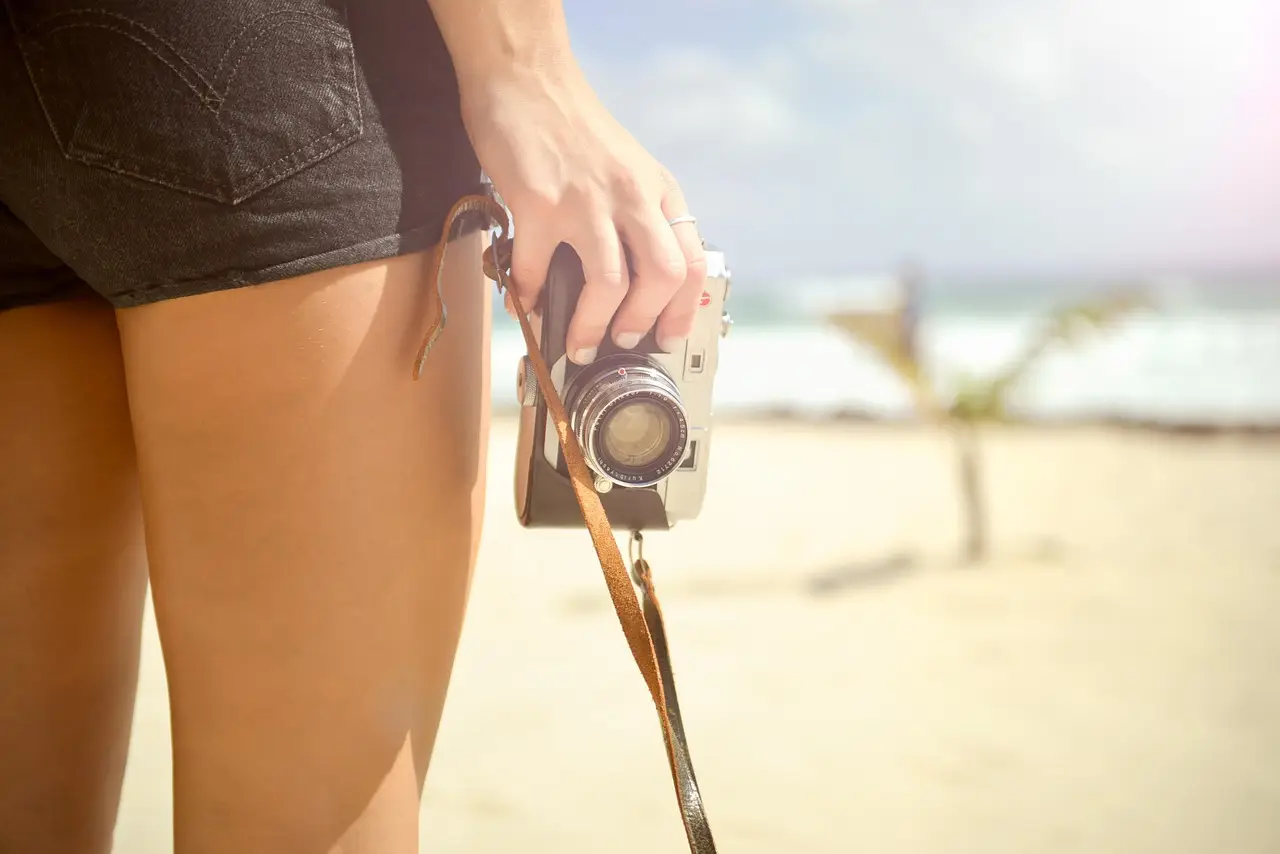
Life on Film says it runs a profitable seven-figure business with no outside investment. Co-founder Grant Weintrob puts revenue growth on track at 90% year over year and describes the company as fully profitable. Those numbers come from the founder, and no audit sits behind them.
The studio turns disposable cameras into short films. It began in 2023, handing cameras to strangers to document nights out. Within a year, its videos featured Ed Sheeran, Lil Yachty, Ice Spice and Joe Biden. By the end of 2024, brand deals made the project a full-time job.
Today the account counts 8 million followers across Instagram, TikTok and YouTube, Weintrob said. Total views exceed 2 billion. Instagram is the biggest stage. Co-founders Christian Baiocco, Griffin Katz and Weintrob are all in their late 20s, and the office sits in Greenwich Village, steps from Washington Square Park, the man-on-the-street hub where the crew recruits subjects.
How does a film camera become a short film?
Weintrob has spent hundreds of hours in airports and train stations with a bag of dozens of old-school film cameras. His pitch to strangers is one question: "If I gave you this camera, would you take photos on your trip?" Participants shoot their own lives, then mail the film back with a QR code and printed instructions. The team develops the negatives and cuts dramatic supercuts set to music, shaping ordinary nights into something closer to a coming-of-age movie.
The comments section supplies the better reviews. One viewer wrote that "Life on Film is the antidote to AI slop." Another: "I'd watch this if it were a movie." Weintrob calls the operation a human storytelling platform. "We really see it as a human storytelling platform," he said, turning everyday lives into "cinematic" short films.
Where does the money come from?
Most of it comes from brand partnerships. The rest comes from ad-revenue splits on YouTube and Facebook. Clients include Nike, Home Depot, American Express, Microsoft, Meta and Universal Studios. The team handles inbound offers and pitches brands itself, without talent management, because it sees itself as a studio rather than a roster of individuals.
Baiocco applies a fit test to any integration. It has to be "as entertaining as possible," he said, and woven into the story. Nothing bolted on.
Fujifilm is the largest partner. The deal supplies disposable cameras and backs "Blind Date," a sponsored series in which two strangers take an Instax camera on a set-up date. Life on Film is also pitching travel companies on longer series that would send people on trips. Beyond advertising, the studio plans direct-to-consumer products such as coffee-table books and custom cameras. Its long-term goal, Weintrob said, is "to have a studio that makes the best unscripted series on the internet." A precursor show, "Discovering Artists," already runs.
Why old film cameras?
Baiocco points to public unease with synthetic media. "Life On Film is literally the opposite of that. It's literally truly unscripted content that's captured on analog cameras." The format also rides Gen Z's appetite for analog objects, including vinyl records, DVDs, landlines and film photography.
Analog has a cost line attached. Weintrob said the team expects to spend about $50,000 on cameras, film and developing in 2026. Disposable cameras now arrive through Fujifilm under a long-term sponsorship. Expenses jumped after Super 8 entered the mix, the mass-produced video film stock Kodak introduced in the 1960s. Most content still uses disposables, yet Super 8 is outperforming them. "It's like a movie," Baiocco said. The risks sit next to the aesthetic: broken gear, user errors, unusable film, and the occasional stolen camera.
What happens when they approach strangers?
The scenes are not staged, except in celebrity or branded videos. On a sunny afternoon in Harlem, Weintrob and full-time producer Dylan D'Agostino loaded a bag with several disposables and a few Super 8s and approached pedestrians at intersections and in the park. The crew is currently building a New York series, the founders' hometown. If only one usable video came out of the day, Weintrob said, "that'd be fantastic."
One hour produced six takers and 10 refusals. The approach starts awkward. Conversations usually move past it fast. A couple in their 20s took a camera with no hesitation. "Yeah!" the young woman said. "Wait, OK, how do we get them back to you?" A dog walker, a mother heading home from school with her child, and parents pushing a newborn also said yes.
What does the business still need to prove?
Weintrob describes a distinct shift in how Hollywood, streamers and platforms view teams like his, after creator-made blockbusters such as "Backrooms" and "Obsession." "There is something bigger here to be made than just the 30-second Instagram Reel or TikTok," he said. Longer-form horizontal video sits on the docket, packaged for traditional production studios.
He places Life on Film somewhere between A24 and Humans of New York, ahead of peers such as Fallen Media and Mad Realities. That is positioning, not a contract. No studio, streamer or platform deal appears here. Revenue, follower and view totals all trace back to Weintrob, and the film cost estimate remains an expectation rather than a receipt.
Source: feeds.businessinsider.com
Filed under
- analog-media
- brand-partnerships
- creator-economy
- disposable-cameras
- unscripted-content
More from Nathan Brooks
Show full bio
Staff writer covering companies, deals and strategy in marketing leadership at CMO Observer.
93 articles
Related articles

Read also
The newsroom digest
One email a day with the stories that matter. No noise.