Ecommerce.com launches agentic guide as 22% report blocked purchases
Salesforce research finds 22% of personal AI agent users had a purchase blocked, as Ecommerce.com urges merchants to audit AI recommendations, prices and product variants.
By Sophie Lindqvist
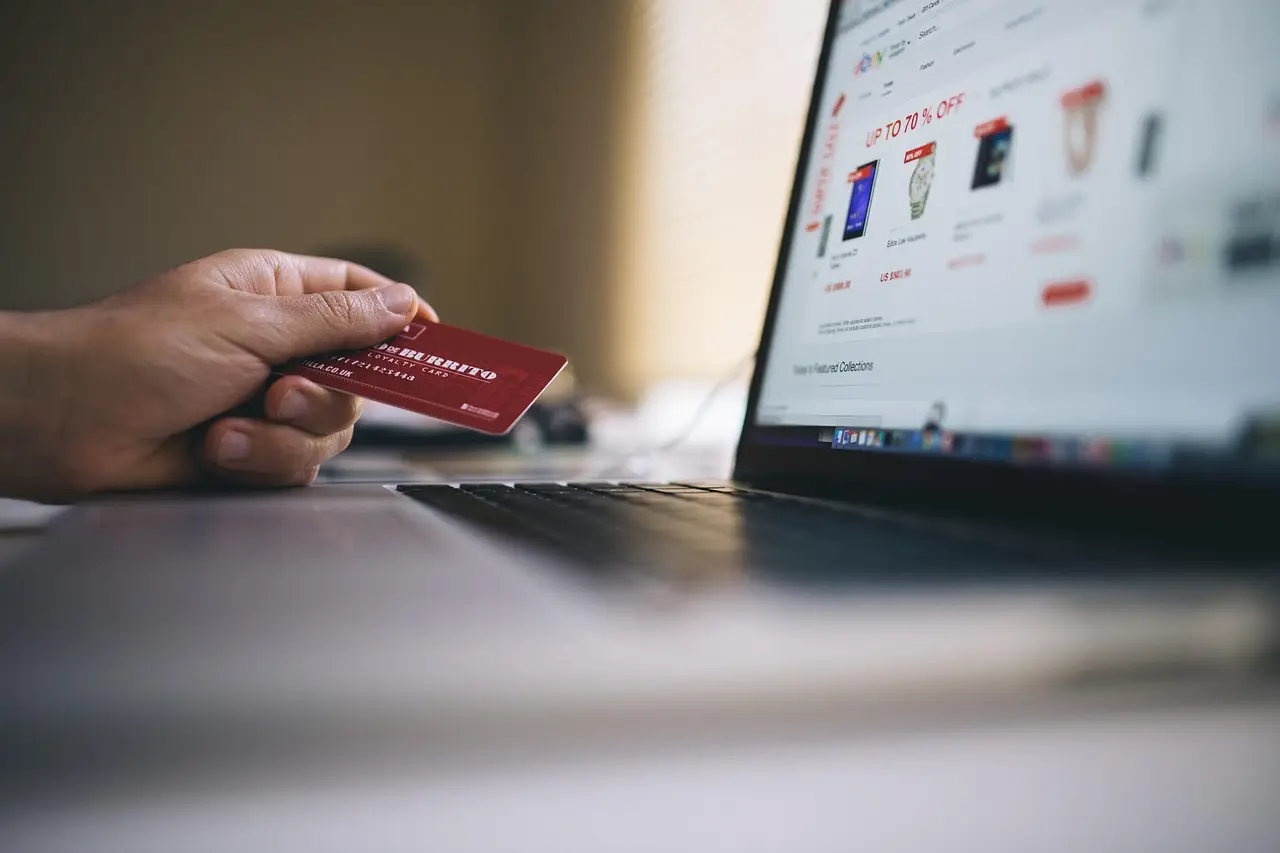
Twenty-two percent of personal AI agent users have had an agent blocked from completing a purchase, according to Salesforce research released on Nov. 12, 2026. The study covered more than 2,500 holiday shoppers in the U.S., U.K., Canada and Australia ahead of Cyber Week. Another 27% said an agent bought something too expensive.
What does this change for merchants?
Ecommerce.com’s new guide, “Agentic Commerce for Merchants: Get Listed and Prepare for AI Checkout,” tells merchants to test two points before the holiday peak: what AI assistants recommend and what an agent finds at checkout.
The AI-native company, which measures how AI systems discover and evaluate brands, separates the journey into recommendation and purchase stages. It treats checkout as the later step because shoppers still withhold payment details.
Duran Inci, CEO of Ecommerce.com and Optimum7, said: “Shoppers who hand a purchase to an agent still want the same thing they always wanted, which is the right product at the price they expected.”
Inci added: “Merchants who want those orders should know what AI assistants already say about their brand and what an agent will find when it reaches the store. Both can be checked before Cyber Week.”
The recommendation stage comes first. An AI assistant selects brands and products before the shopper reaches a store, and those recommendations are expected to shape more than one in five holiday orders this year. A brand omitted from an answer can therefore lose the shopper before an agent opens a product page.
The survey found:
- Almost 20% of shoppers say AI is their first step before visiting a store.
- 74% of shoppers trust the recommendations AI gives them.
- 30% of AI shoppers say these tools frequently introduce them to brands they did not know.
- 11% of shoppers say they would skip a purchase if an AI assistant advised against it.
Shoppers referred to stores by AI convert at more than twice the typical rate, according to Salesforce’s November 2026 holiday research. The recommendation data also shows a split in personal-agent use: 31% of shoppers have tried a personal AI agent, 28% of those users give it tasks multiple times a day, and 49% are not interested in agents browsing or buying for them at all.
Because AI answers draw on pages an assistant can read, Ecommerce.com advises merchants to write product pages that those answers can quote.
Deepcite writes buyer personas and questions from a merchant’s site, then runs 100 unique prompts through ChatGPT, Claude, Gemini, Perplexity and Grok in each run. It records how each assistant mentions, cites and rates the brand.
Deepcite also tracks visibility, share of voice, citations and sentiment over time. Merchants can export the results or share them as a report to see whether a brand’s position changes during the holiday season. The company says this review should come before a merchant budgets for checkout integration, because an agent purchase starts with brands an assistant has surfaced.
Checkout remains the trust bottleneck
Only 19% of personal agent users have deployed an agent at checkout. Seventy-three percent of shoppers are uncomfortable giving a personal agent payment information, and just 9% of personal agent users grant unrestricted access to their financial details. Among users who allow payment, 36% have opened a separate credit card for their agent and set their own limits.
The failure rate extends beyond blocked transactions. Only 32% of personal agent users report having had no major errors with their agent. Shoppers often stop using an assistant after two or three mistakes, so a failed agentic checkout can cost a merchant more than the individual order.
Before enabling agentic checkout, Ecommerce.com advises merchants to confirm that every AI channel shows the same product, price and variant the shopper will pay for. A mismatch can start in the product feed, which may list one price while the product page shows another.
The company says a store analysis of public product data can expose those offer errors before an agent reaches payment. It reads only shopper-visible information, including product pages, the feed and the sitemap, and can start from a merchant’s URL.
The practical change for merchants is to make the recommended offer and the payable offer identical before shoppers hand the order to an agent.
Source: martechcube.com
Filed under
- agentic-commerce
- ai-shopping
- ecommerce
- checkout-optimization
- conversion-optimization
More from Sophie Lindqvist
Show full bio
Senior reporter covering money, funding and market shifts around marketing leadership at CMO Observer.
95 articles
Related articles




Read also
The newsroom digest
One email a day with the stories that matter. No noise.