Hearst Bets Five to Seven Figures on Creator-Led Studios
Hearst Creator Studios launches with 50 creators, seven series, and five-to-seven-figure sponsorships. Expansion to 30+ brands follows in 2027.
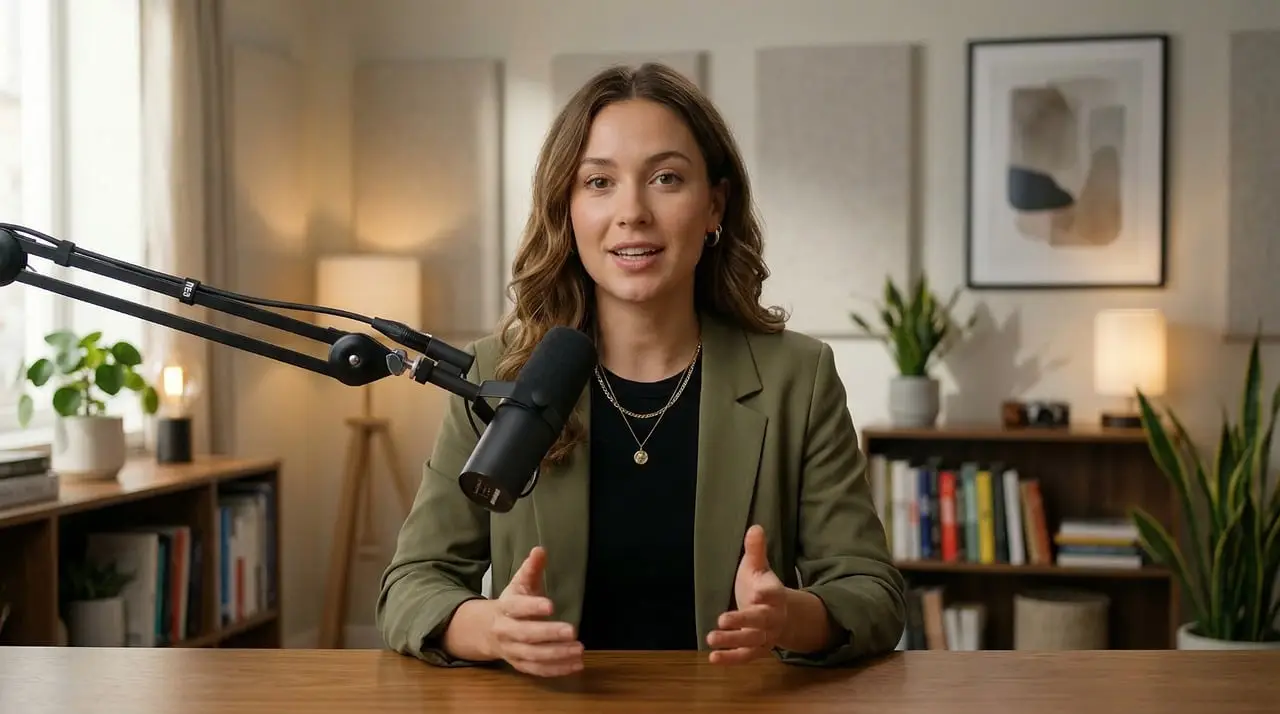
Hearst Magazines launched a creator division on Monday that will charge advertisers five to seven figures for sponsorships. The move puts one of publishing's oldest houses in direct competition with talent agencies.
The new unit, Hearst Creator Studios, pairs hand-selected creators with Hearst's editorial brands and advertisers to produce original series, branded campaigns, and other content. Lisa Ryan Howard, executive vice president and global chief revenue officer of Hearst Magazines, announced the launch.
What does the studio actually include?
The numbers are concrete. The studio debuts with 50 creators spread across five brands: Cosmopolitan, Delish, Elle, Good Housekeeping, and MotorTrend. Seven creator-led series ship at launch. Hearst plans to triple the roster within six months. The studio then expands across the rest of Hearst's portfolio of more than 30 brands in 2027.
The business model is equally specific. Advertisers pay five to seven figures for sponsorships built around creator IP — that is, content and formats the creators own rather than standard display placements. Hearst takes a management fee on brand deals, functioning less like a publisher selling inventory and more like an agency representing talent.
That distinction matters. A management-fee model means Hearst earns when creators earn. It also means Hearst carries some of the risk if the creator slate underperforms.
Is Hearst alone in this?
No. The launch reflects a broader push among digital publishers to borrow from the creator economy, and the pattern is easy to trace. Publishers are doing two things at once: partnering with outside talent, and pushing their own staff to adopt creator tactics.
The precedents named alongside Hearst's move:
- Morning Brew acquired Express Checkout, a creator-focused property.
- People Inc. launched seven employee-hosted shows, turning staff into on-camera talent.
- Daily Mail created New Media, a unit built on creator-economy tactics.
Three publishers, three different structures — acquisition, internal production, new division. Hearst's version combines external talent with its own brand equity, the most agency-like of the three.
What's not being said?
Hearst has not disclosed revenue targets for the studio. The five-to-seven-figure sponsorship range is wide enough to hide almost any deal size. And the promise to triple a 50-person roster in six months is aggressive; recruiting and vetting talent at that pace is its own operational challenge.
The 2027 timeline for expansion across 30-plus brands also sits unusually far out. Publishers rarely announce two-year rollouts unless the near-term scope is deliberately narrow. Hearst may be testing demand on five brands before committing the portfolio.
For CMOs, the practical question is pricing and control. Creator IP sponsorships command premium rates, but brand-safety review, usage rights, and measurement standards for creator-led series remain less standardized than traditional publisher packages. Buyers should expect to negotiate those terms deal by deal.
What is clear: publishers now see creator representation as core business, not an experiment. Hearst is putting a management fee behind that belief. The next six months — and whether the roster actually triples — will show whether advertisers agree.
Source: adweek.com/feed/
Filed under
- creator-economy
- hearst-creator-studios
- branded-content
- creator-partnerships
- publisher-monetization
More from Nathan Brooks
Show full bio
Staff writer covering companies, deals and strategy in marketing leadership at CMO Observer.
93 articles
Related articles

Read also
The newsroom digest
One email a day with the stories that matter. No noise.