Instagram's affiliate revival pays up to 25% commission
Instagram now pays commissions of 1% to 25% on Amazon, SHEIN, Lowe's and Halara links, with no cut taken by Meta — a defensive answer to TikTok Shop ahead of Black Friday.
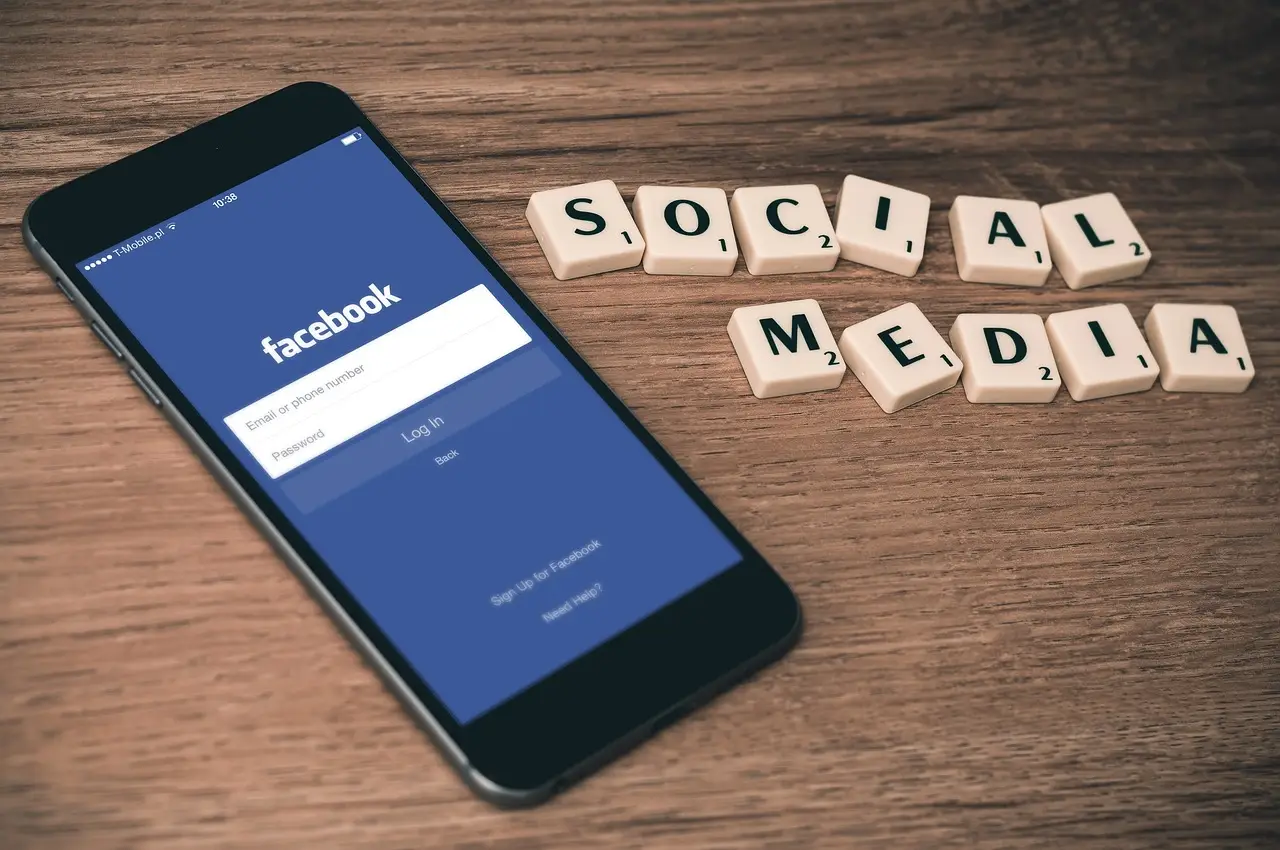
Instagram now pays ordinary users commissions of 1% to 25% for linking to Amazon, SHEIN, Lowe's and Halara — and it takes no cut of the transaction. That's the deal Meta put on the table this week, and the bar to entry is low. You need 1,000 followers, a public professional account, and to be at least 18.
The push went public on Monday, when Instagram announced a feature letting creators add Amazon shopping links to Reels and feed posts natively. But Amazon is only the headline act. Instagram has quietly added affiliate tools for SHEIN, Lowe's and the athleisure brand Halara through Impact.com, the affiliate-marketing platform that brokers brand-creator partnerships.
A reporter enrolled in all three programs in minutes. Flattery aside, that speed tells you something: Meta wants volume, not curation.
What do creators actually earn?
According to a rate list viewed by Business Insider, commissions vary sharply by brand:
- Amazon: 1% to 4% per driven purchase
- SHEIN: 2%
- Halara: 10%
- Lowe's: 8% to 25%
The brands and platforms set the rates, not Instagram. Meta also does not take a percentage from these transactions — a detail worth noting, because it means the revenue model here isn't commission skimming. The wager is that commerce keeps users in the app, where ads do the monetizing. That's the stated logic, at least. Meta hasn't published projections on what these tools will generate.
Max Ciccotosto, Impact.com's chief product officer, said the company is "proud to be an early partner on Instagram's new native affiliate tools, which let creators earn from brand partnerships without leaving the app."
The programs are US-only for now. Instagram rolled out regional variants earlier this year — creators in Indonesia earn commissions on Shopee, while influencers in Brazil and Mexico get paid through Mercado Libre. The app has also made it easier to add links from third-party affiliate platforms such as LTK to Reels and feed posts.
Why is Instagram bringing this back?
Affiliate marketing differs from a brand deal in one structural way: it's performance-based. A marketer writing a brand deal pays for access to an influencer's audience regardless of results. An affiliate earns only when a sale happens — the creator gets paid if, and only if, the brand makes money first.
That makes affiliate links an entry point for smaller creators who can't command flat fees. It also makes them cheap demand generation for brands. Someone carries the risk in every performance deal, and it isn't the platform.
Instagram has been here before, and it didn't stick. The app tested an invite-only native affiliate feature in 2021, then shut it down in June 2022. Meta introduced affiliate tools on Facebook last year, announced in March it would bring them back to Instagram, and began testing in April. The latest expansion lands just ahead of Black Friday — timing that is not accidental, given that the first attempt died well before a holiday shopping cycle could save it.
Who is Meta chasing?
The competitive context explains the urgency. TikTok Shop, launched in 2023, has become a genuine force in US e-commerce: according to an analysis of US credit and debit card transactions compiled by Consumer Edge, it drove more US online retail spend in July than Target, Lowe's or Costco. TikTok Shop outspent a home-improvement giant in its own channel, and Meta's partner Lowe's is one of the retailers it beat.
YouTube is investing in creator shopping too. It runs an Amazon integration similar to Meta's, and in September it began allowing brands to set custom commission rates and bonuses to steer creators toward particular products.
So Instagram's affiliate revival is less a product launch than a defensive move. TikTok proved shopping works inside short video; YouTube matched it; Meta is answering with the same playbook plus a wider brand roster.
What's the catch for CMOs?
For marketing leaders, the calculus is mixed. Native affiliate tools lower friction and open a long tail of micro-creators at pure performance pricing. But a 1,000-follower threshold floods the zone with low-reach promoters, and Meta's 2022 shutdown is a reminder that creator monetization tools at the company have a shelf life. Brands budgeting around these channels should build for volatility.
What Meta has not said: how it will police disclosure, what happens to creator payouts if a program is cut again, or whether these tools will expand beyond the US and a handful of regional partners. Every promise here ships with an asterisk, and the last version of this program ended quietly on a Tuesday.
Source: feeds.businessinsider.com
Filed under
- affiliate-marketing
- creator-economy
- social-commerce
- performance-marketing
More from Nathan Brooks
Show full bio
Staff writer covering companies, deals and strategy in marketing leadership at CMO Observer.
93 articles
Related articles


Read also
The newsroom digest
One email a day with the stories that matter. No noise.