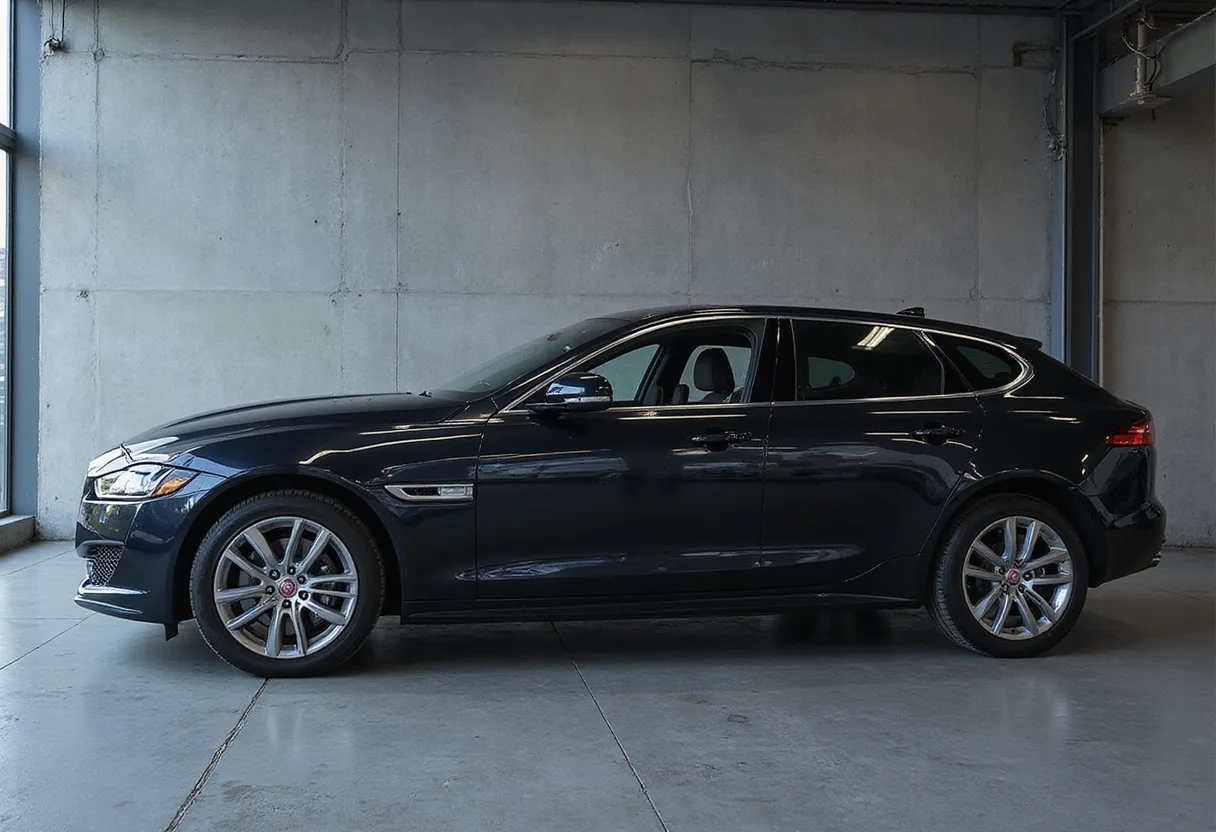
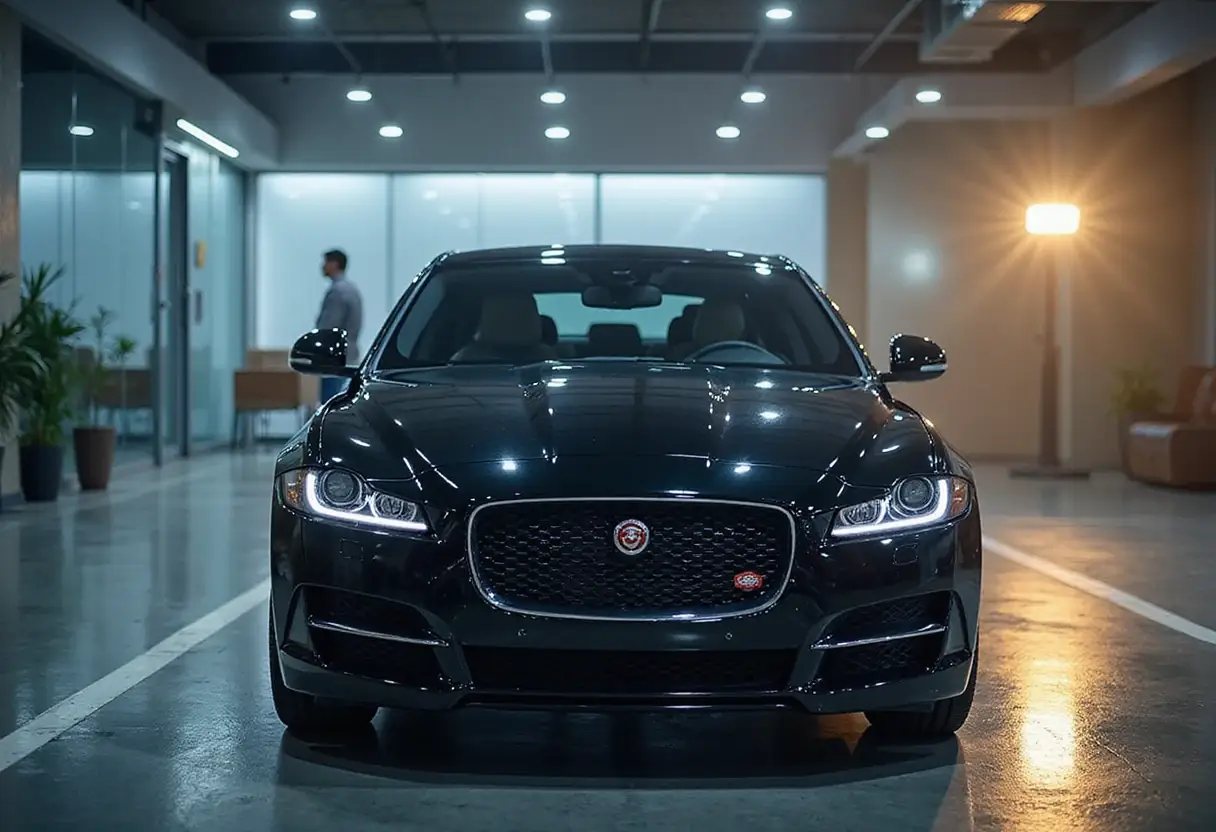
Jaguar's rebrand makes more sense now it is coupled with product

Jaguar's rebrand makes more sense now it is coupled with product, Marketing Week reports — a verdict that reframes one of the most debated brand overhauls of the past year as a deliberate, product-led play rather than a styling stunt.
The headline judgment from Marketing Week carries weight for marketing leaders because it lands at the moment Jaguar's new identity finally has a tangible object attached to it. For months, the rebrand existed mainly as design language, typography and a tone of voice. Commentators, dealers and segments of the buying public argued about it in the abstract. A brand story told without a product is a promise without collateral. Now, with the car in the frame, the argument shifts.
Why the rebrand drew criticism in the first place
When Jaguar unveiled its new visual identity, reaction split sharply. Supporters described it as a necessary break for a marque that needed to signal transformation to a new, wealthier customer base. Critics called it a rupture that discarded decades of brand equity built around performance heritage and design continuity.
The core problem was context. A rebrand launched ahead of its product leaves an audience with nothing to evaluate except surface elements — logos, wordmarks, colour palettes, typography. Judgement defaults to aesthetics. Marketing Week's assessment suggests the fuller picture only became legible once the product appeared alongside the identity it was built to carry.
What does the product add to the story?
A car gives a rebrand three things a launch film cannot.
- Proof of intent. The product demonstrates whether the design language is a system or a decoration.
- A price and a buyer. The vehicle anchors the repositioning to a market segment customers can assess.
- A timeline. Strategy stops being a promise about the future and becomes something you can order, review and compare.
On this reading, the rebrand was never meant to be judged as a standalone piece of communications. It was the opening move in a sequence, and the product is the move that gives the sequence meaning. Marketing Week's framing — that the rebrand "makes more sense now" — implies the earlier criticism was partly a timing artefact: audiences were asked to judge chapter one as if it were the whole book.
What should CMOs take from it?
The case is a working lesson in sequencing brand transformation, not just in bold design choices.
- Rebrand and product must arrive close together. A long gap between identity and evidence invites the market to fill the void with speculation and ridicule.
- Controversy is not the same as failure. Debate during the gap did not necessarily damage the strategy; the test is whether the product converts attention into consideration at the intended price point.
- Positioning must be legible in the object. If the rebrand promises exclusivity and reinvention, the product has to make that promise visible in metal, interior and price — not only in the wordmark.
The verdict so far
Marketing Week's position is measured rather than triumphalist. The publication does not claim the rebrand has succeeded commercially; it claims the strategy now coheres. That distinction matters. Coherence is a precondition for success, not a guarantee of it. Sales performance, residual values and the response of the target luxury buyer will determine whether the gamble pays off.
For an audience of marketing leaders, the Jaguar case sits alongside other recent high-risk repositionings as evidence that the market will forgive audacity more readily than ambiguity. What it punishes is a brand story that cannot be checked against anything.
The fuller evaluation — first deliveries, customer demographics, pricing traction against rivals — will take longer to read. What has changed, per Marketing Week's assessment, is that the evaluation can now happen at all. A rebrand coupled with product is a testable proposition. A rebrand without one is only an argument.
For CMOs planning their own transformations, that may be the most transferable point: give the market something to judge, and give it soon after you change the signs.
Source: Google News: brand rebrand
Marcus Bennett
Show full bio
Correspondent covering money, funding and market shifts around marketing leadership at CMO Observer.