Jaguar's Rebrand Splits Marketing Ranks, Automotive News Reports
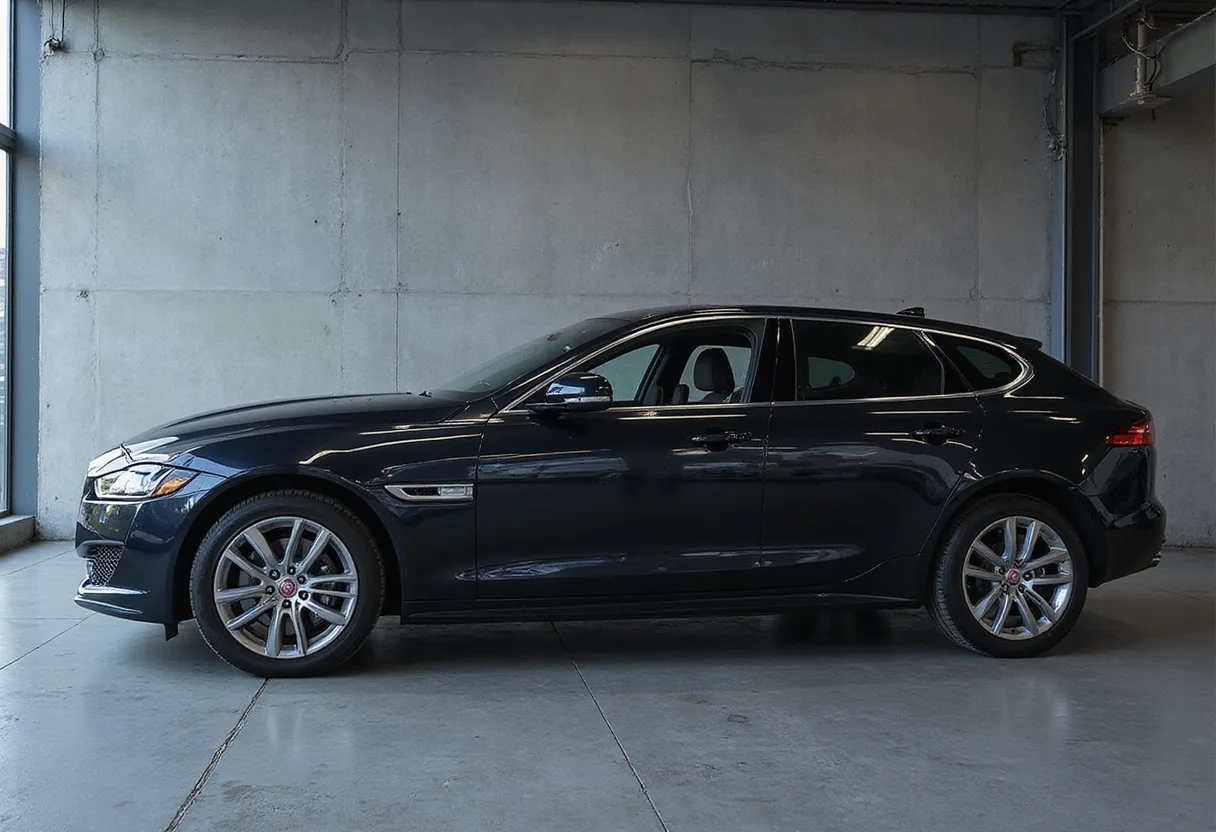
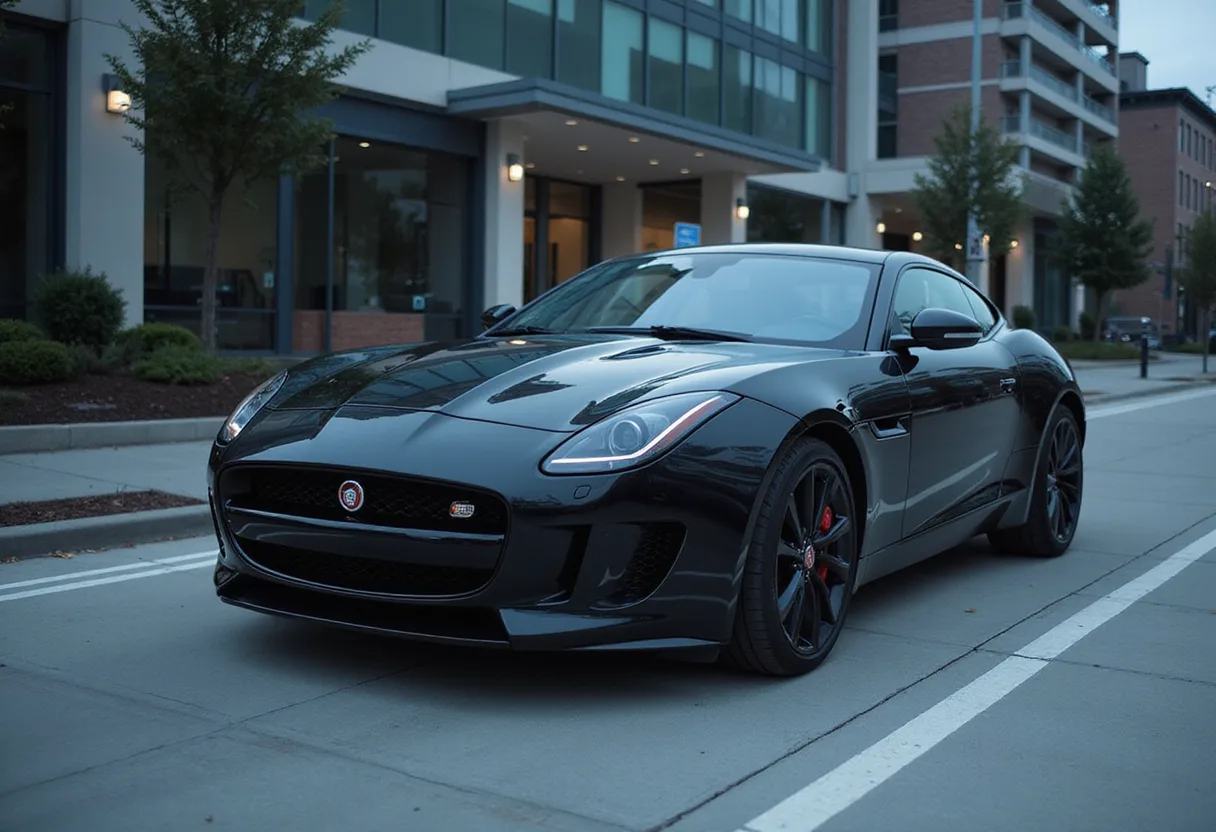
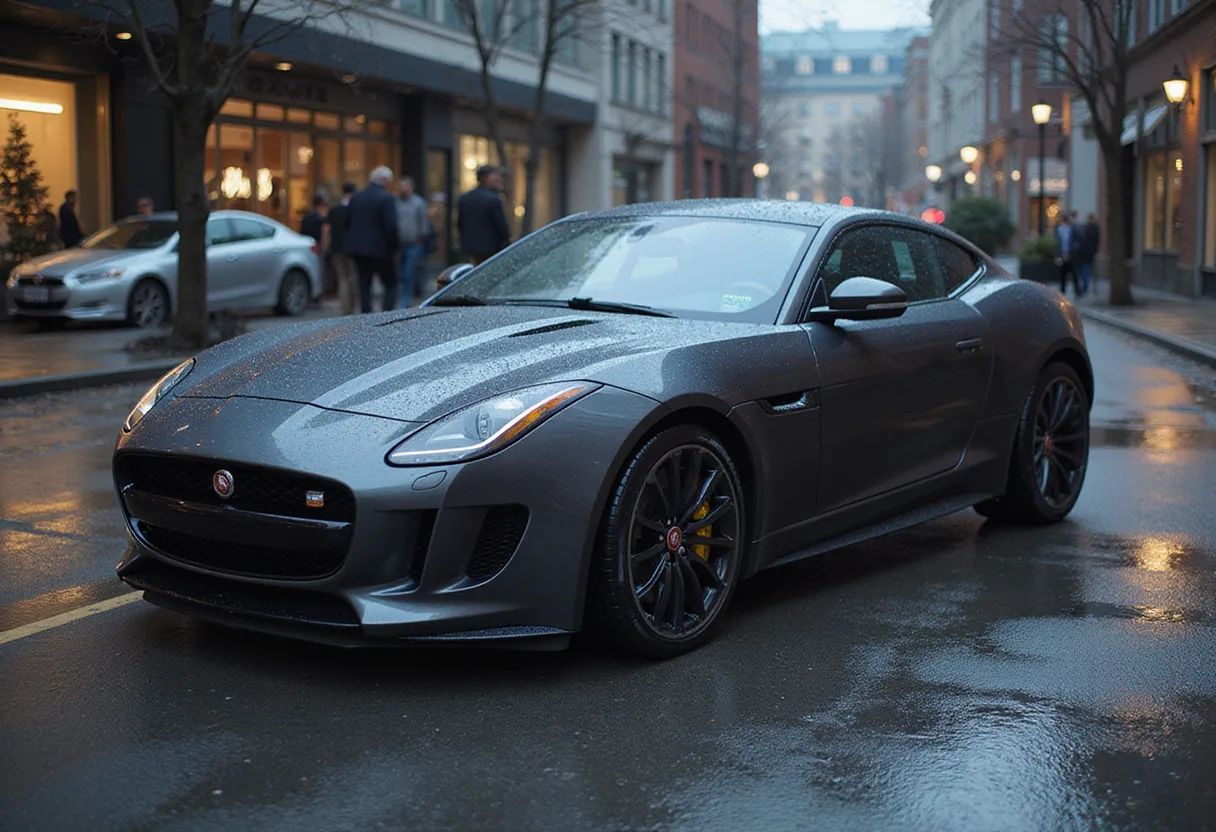
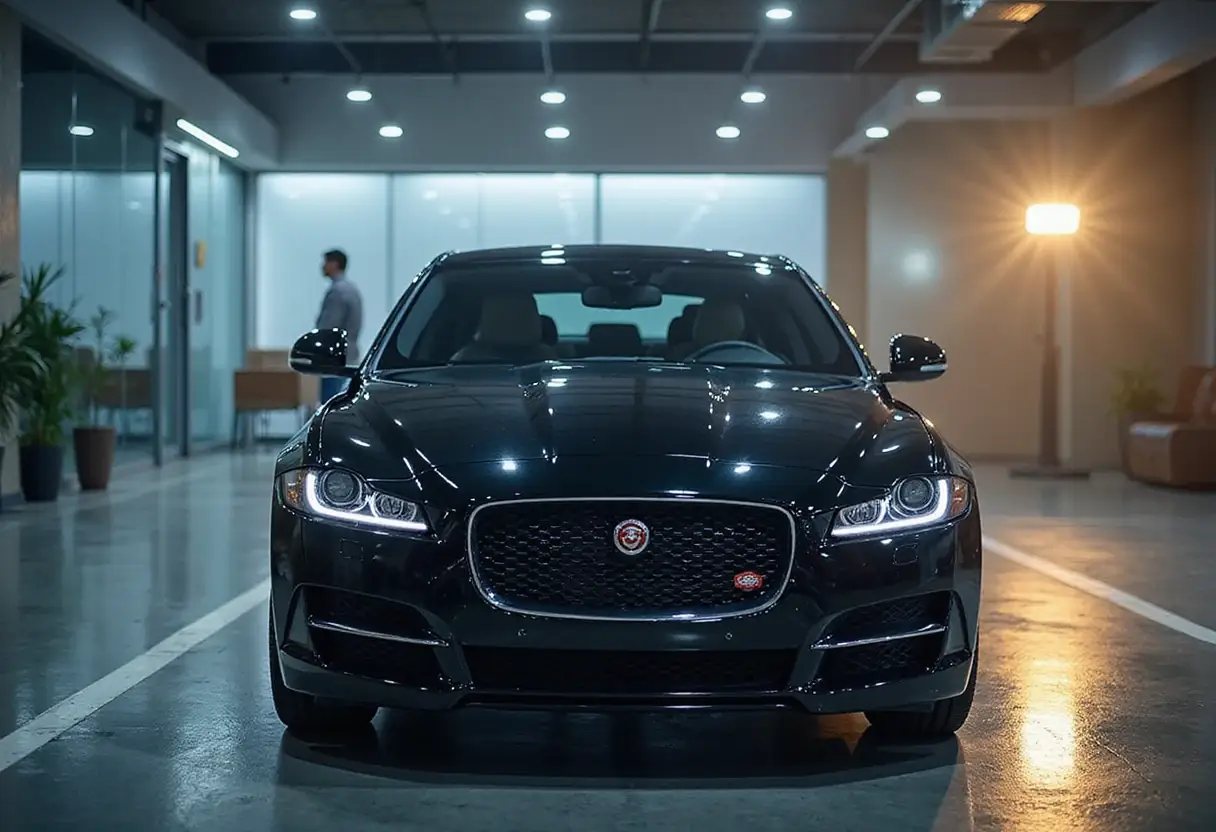
Jaguar's rebrand drew reactions from opposite ends of the marketing and design community, and Automotive News put the full split on the record. The trade publication's piece — titled "Jaguar's polarizing rebrand — marketing and design pros weigh in" — captured the divide inside the industry's professional class.
The headline word does the heavy lifting: "polarizing."
In trade-press shorthand (industry jargon), a rebrand earns that label only when opinion splits hard enough to make executives nervous. Automotive News reached for it deliberately. The outlet went straight to the people whose careers depend on getting reinvention right: the marketing strategists, in-house brand leads, and independent design directors who actually buy and sell this kind of work.
What does the Automotive News verdict signal?
That the industry's senior creative class can't agree. That's the headline takeaway, and it carries weight for anyone watching the brand-reinvention playbook from the outside.
CMOs running their own visual-identity resets will recognize the pattern. Legacy (multi-decade, established) brands attempting reinvention without internal consensus tend to produce exactly this outcome. The Automotive News piece functions as a live case study (a real-time example used to teach a marketing principle).
What Automotive News has documented is the breadth of the disagreement. The marketing and design pros who weighed in landed across the full spectrum. Some called it brave. Others called it broken. The publication gave both camps the same platform.
What does this change for CMOs and brand directors?
For starters, the Jaguar conversation has now moved from consumer reaction into the trade press (industry-focused publications read by marketing decision-makers). That shift matters more than it looks.
Consumer debate is noise. Trade-press verdict is signal.
When Automotive News frames a rebrand as polarizing, it tells agency-side and brand-side leaders that the work will be dissected and debated in the pages they read for a living. That's a positioning problem for anyone inside the Jaguar organization. It's also a buying signal for everyone else.
CMO Observer's read: marketing-leadership decision-makers will want to see peer validation (proof that other respected brands have made similar moves and survived) before signing off on comparable projects inside their own companies. The Jaguar case is now the reference point.
For marketing leaders in the middle of their own visual-identity work, that's the highest-value lesson. The trade press isn't just commenting after the fact. It's writing the case study that will inform the next round of CMO conversations about brand reinvention.
What's still missing from the public conversation
The Automotive News headline tells us the verdict split. It doesn't tell us which specific design choices drew the harshest reactions, who the outlet quoted by name, or how Jaguar's leadership has responded to the criticism. The full text of the piece, behind Automotive News' paywall, will carry those details.
What we know with confidence: the marketing and design community has spoken, and it didn't speak with one voice.
The takeaway brand leaders should take from the Jaguar file
A rebrand isn't a campaign. It's a referendum, and referendums can swing either way.
Jaguar has put its new direction on the table. Automotive News has documented the industry's split verdict. The marketing-leadership class is watching to learn which way the wind blows next.
The verdict will keep moving. New Automotive News coverage will surface. New product launches will reset the conversation. New design choices will get picked apart. That's how rebrands work inside a category that watches itself closely.
Source: Google News: brand rebrand
Marcus Bennett
Show full bio
Correspondent covering money, funding and market shifts around marketing leadership at CMO Observer.