Tesla's $29,990 Cybercab costs more than a Model 3 after 45 months
Tesla's Cybercab starts at $29,990 but needs a $299/month subscription to drive, overtaking a Model 3's cost in 45 months. Musk calls the fee 'too high.'
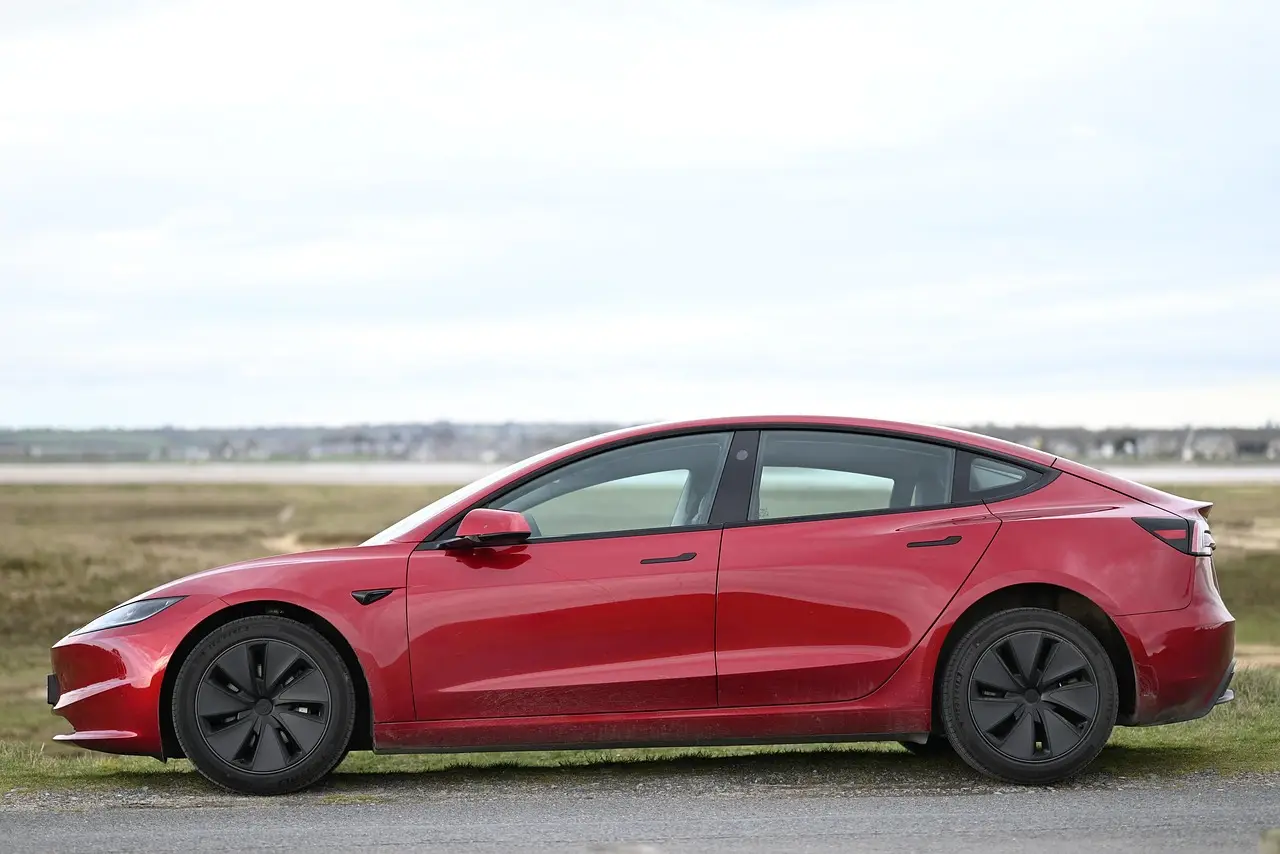
A $29,990 sticker price stops being cheap fast. Tesla's steering-wheel-free Cybercab becomes more expensive than a base Model 3 in its 45th month of ownership, once you add the mandatory $299-a-month Autonomy Subscription that the car requires to move at all.
By year five, the math is blunt. The Cybercab totals $47,631 over five years. That's $3,160 more than a Model 3 running Tesla's $99-a-month FSD (Supervised) subscription, and $160 more than a larger Model Y with the same monthly FSD plan. The car doesn't drive without the subscription. Buy it, and you've bought a lawn ornament until you pay monthly.
Even Elon Musk concedes the point. On X, responding to tech reviewer Marques Brownlee, known as MKBHD, Musk wrote that the fee was "too high" and should match FSD and connectivity pricing on other Tesla models, "which is more like ~$115/month." That's a gap of $184 a month between what Tesla charges and what its own CEO calls reasonable. Nobody has said when, or whether, the price comes down.
What does the fee actually cover?
Tesla frames the $299 as more than software. The company says it includes:
- Roadside assistance
- Tire replacements
- Windshield replacements
- Inspections
- Wiper replacements
Seth Goldstein, an equity analyst at Morningstar, said the higher price makes sense if Tesla is selling access to a more advanced autonomy system than FSD (Supervised). "The higher FSD price also makes sense as it will likely be the latest version, ahead of the consumer one, while also running the robotaxi operations," he told Business Insider. That's an argument, not evidence. Tesla hasn't published a spec comparison showing what the Cybercab software does that FSD doesn't.
Why this pricing sits awkwardly in the market
The Cybercab is Tesla's first vehicle with a headline price under $30,000. For years, Musk promised a cheap Tesla that would put more Americans into EVs. Reuters reported in 2024 that Tesla scrapped a planned $25,000 human-driven model and pivoted to autonomy instead.
The sub-$30,000 EV field remains thin. The options are the $27,600 Chevy Bolt, the $29,990 Nissan Leaf, or the upcoming $24,950 Slate truck. Context matters here: the average new EV transaction price was $54,813 in August, per Cox Automotive, still 9.4% above comparable gas vehicles.
Tesla's bet is that owners will send the Cybercab out for ride-hailing when they're not using it personally. If that works, the car earns money back. If it doesn't, buyers hold a $47,631 two-seater. And that two-seater is currently geofenced to small areas in Texas — a detail easy to miss in the launch coverage.
What's still unresolved
Two open questions hang over the December consumer deliveries.
First, regulation. The Cybercab has faced an NHTSA audit inquiry since September, and that inquiry could threaten its roadworthiness approval. Tesla hasn't said publicly how it expects that process to resolve.
Second, the bet itself. MKBHD wagered that Tesla wouldn't deliver a self-driving consumer vehicle to US customers by the end of 2026 for under $30,000 — or he shaves his head. Tesla included him in the list of select customers invited to buy. Whether a strictly geofenced car counts as fulfilling that bet is anyone's guess. For now, MKBHD appears confident he's keeping his hair.
For marketing leaders, the lesson is in the structure, not the car. Tesla split the price into a low headline number and a recurring fee, and the CEO himself had to publicly flag the fee as excessive within days of the pricing reveal. Subscription pricing only works when the recurring charge survives basic arithmetic against the non-subscription alternative. This one didn't — and Musk's own post is now part of the product's record.
Source: feeds.businessinsider.com
Filed under
- tesla
- cybercab
- subscription-pricing
- autonomous-vehicles
- total-cost-of-ownership
More from Nathan Brooks
Show full bio
Staff writer covering companies, deals and strategy in marketing leadership at CMO Observer.
93 articles
Related articles





Read also
The newsroom digest
One email a day with the stories that matter. No noise.