Tesla plans a wheel-free Model Y for six or seven passengers
Elon Musk says Tesla will develop a Model Y without a steering wheel or pedals that seats six or seven, filling the gap between the four-passenger robotaxi fleet and the two-seat Cybercab.
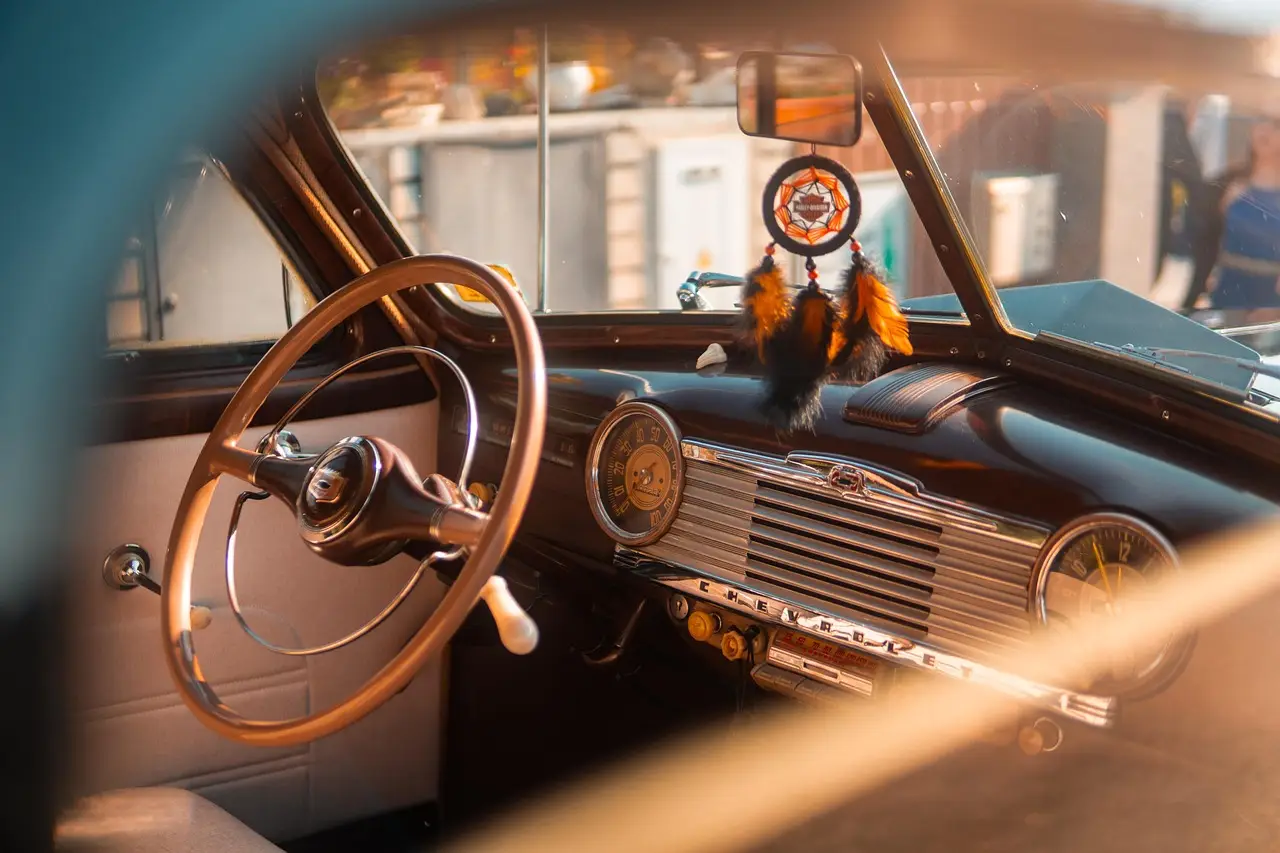
Tesla plans to build a Model Y with no steering wheel and no pedals for groups of six or seven people, Elon Musk said at The New York Times DealBook Summit on Wednesday. The plan has one unresolved detail: Tesla has not said how the cabin would be arranged without controls.
The current setup explains the pitch. Tesla's robotaxi service already runs on Model Ys whose terms of service limit each car to four passengers, while the Cybercab — a two-seater coupe with no steering wheel and no pedals — will handle most of the service's passenger miles. That leaves a hole: a family of five.
Musk said: "If you've got a whole family in the car, you still need autonomous vehicles for that, so what we plan to do is have an autonomous version of Model Y that wouldn't have steering wheels and pedals and would be good for transporting groups of six or seven people," he said.
What does a seven-passenger robotaxi fix?
Group travel, mainly. A robotaxi able to move six or seven people would give Tesla a way to serve larger parties, a relatively underserved segment of the US autonomous ride-hailing market. Today the practical ceilings look like this:
- Tesla robotaxi, Model Y: up to 4 passengers under the service's terms of service
- Tesla Cybercab: 2 seats, no steering wheel, no pedals; set to cover most of the robotaxi service's passenger miles
- Tesla's planned autonomous Model Y: 6 or 7 passengers, no steering wheel, no pedals
- Waymo Ojai: up to 4 people, the more spacious platform compared with Waymo's Jaguar SUVs
- Uber's planned robotaxi with Lucid's Gravity SUV: 6 seats, according to the ride-hailing company
Against that field, the proposed Model Y would carry the most passengers of any vehicle named on Wednesday. Uber already has a six-seat Gravity in the pipeline, so Tesla's plan reads less as a first mover than as a two-seat answer to a competitor.
Who wins the group trip?
For Tesla, the bet is that capacity, not the cabin gimmick, drives bookings. A steering-wheel-free car that seats four is a demo; one that seats seven is a service decision a whole family can use. For riders, the choice widens by one seat at the top of the range.
Waymo's Ojai is supposed to be the roomier platform against its Jaguar SUVs, yet it tops out at four. That leaves the larger-group end of the market thin, and Uber has a six-seat Gravity coming. Tesla now promises one seat more than that: a small lead on paper, a different pitch in marketing terms. The brand sells the group itinerary, not the individual ride.
Uber's route to the same demand runs through Lucid. The ride-hailing company plans robotaxis with the Gravity SUV, which Lucid says seats six, using a dispatch platform that already knows how to send one car to a household. Tesla's route is simpler and harder: strip the controls out of a volume model the company already sells.
What hasn't been settled
Beyond the passenger count, the announcement stays thin. Musk did not explain how Tesla would configure the interior of a Model Y built without a steering wheel or pedals, and six or seven occupants raise obvious questions about cabin layout. Until Tesla answers them, the pitch is a capacity promise, not a product.
For brands watching this market, the read is simple. Capacity is the feature, not the gimmick. Four seats answers a commuter; six or seven answers a household. Tesla is finally building for the second one.
Source: feeds.businessinsider.com
Filed under
- tesla
- robotaxi
- autonomous-vehicles
- model-y
- group-travel
More from Priya Raman
Show full bio
Market editor covering people, launches and day-to-day practice in marketing leadership at CMO Observer.
98 articles
Related articles

Read also
The newsroom digest
One email a day with the stories that matter. No noise.