Tesla's $29,990 Cybercab Stops Working Without a $299 Subscription
Tesla's $29,990 Cybercab won't operate without a $299 monthly subscription, can be remotely bricked, and Tesla can buy it back 'at any time' — per its own terms.
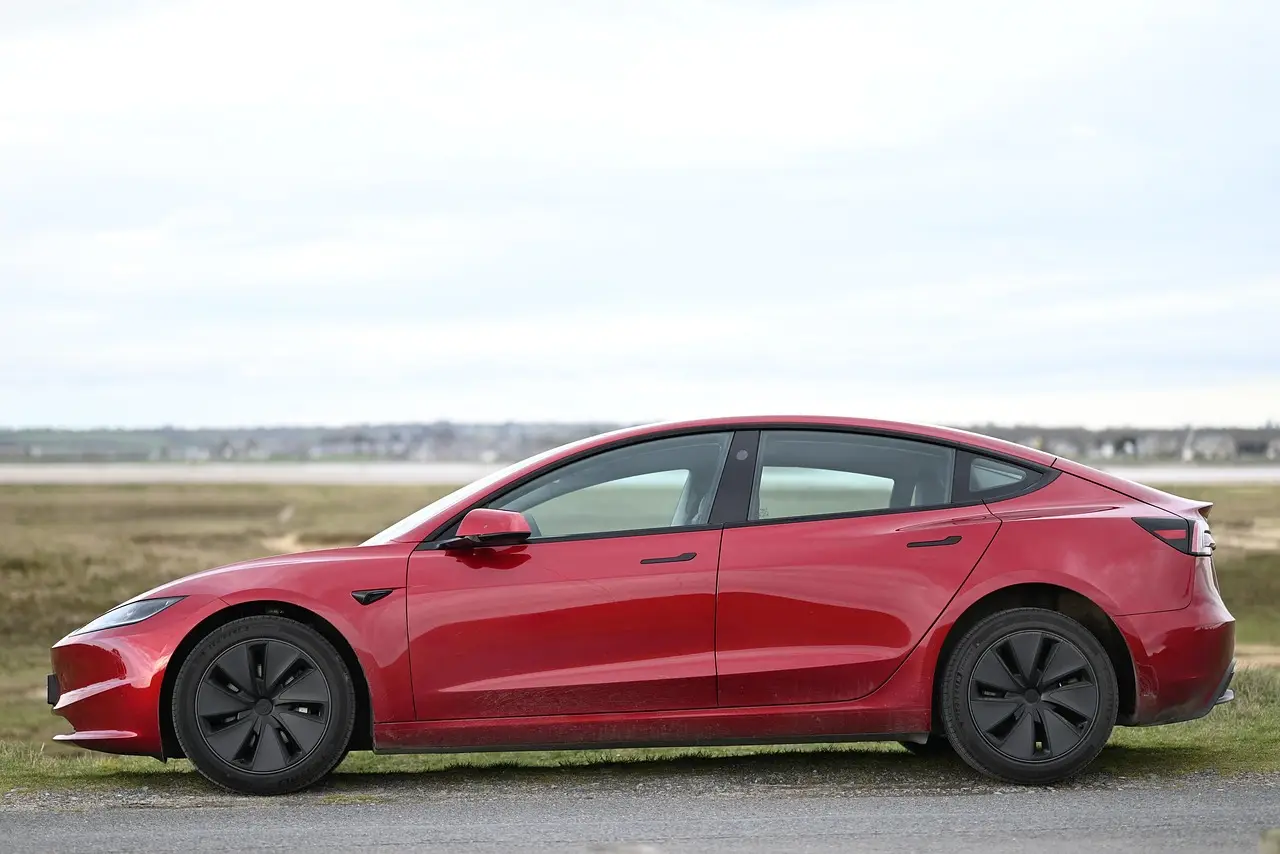
Tesla began invite-only sales of its steering-wheel-free Cybercab on Friday, priced at $29,990 — and the fine print says the two-seater "will not operate" unless owners keep paying a $299-a-month autonomy subscription. Stop paying, and you own a very expensive gold lawn ornament. That's not editorializing; it's the order and subscription agreements Tesla uploaded to its website over the weekend.
For a marketing-leadership audience, the story here is a business-model pivot dressed as a product launch. Tesla isn't selling a car so much as a hardware-locked recurring revenue stream. Here's what the terms actually say.
What happens if you stop paying?
The autonomy subscription isn't optional in any practical sense. Per Tesla's Cybercab order and subscription agreements, the autonomous EV "will not operate" without it. So $29,990 buys the metal; $299 a month, indefinitely, buys the motion.
Owners also can't drive the vehicle wherever they like. The Cybercab only runs within the geofence of Tesla's Robotaxi ride-hailing service — currently parts of Austin, Dallas and three other Texas cities, plus Miami, Orlando and Tampa in Florida. That's it. Seven-ish metros, give or take.
And no, you can't put your personal Cybercab to work on the Robotaxi network to earn it back. Tesla bars owners from adding their cars to the service. This quietly deletes the earn-while-you-sleep robotaxi pitch Elon Musk has been making for nearly a decade.
Can you resell it? Not really
The resale clause will feel familiar to Cybertruck early adopters. Cybercab owners can't resell their robotaxis without Tesla's permission. Do it anyway and you face a $50,000 penalty — and Tesla may remotely brick the vehicle. A car the company can switch off from afar, should you displease it. Ownership, but with an asterisk.
Then there's the genuinely unusual part. The order agreement says Tesla can repurchase the vehicle "at any time," at a fair market value that Tesla itself determines. A replacement isn't guaranteed, and the owner pays to ship the Cybercab back. Read that again slowly. You buy the car, and Tesla retains an open-ended buy-back option on its own terms.
More fine print:
- Modifications are banned, including wraps and tinted windows.
- Tesla collects personally identifying data, per the autonomy subscription agreement — location data and "cabin camera image data" from a camera above the rear-view mirror, used for ride support and product improvement.
- It's unclear whether owners can opt out of the data collection.
Is Tesla still a carmaker?
The subscription-only Cybercab is the clearest signal yet that Tesla is modeling itself as a tech company rather than an automaker. The hardware lineup tells the same story. Tesla has discontinued the Cybertruck — Musk announced that this month — after sunsetting the Model S and X earlier this year. Customers who spent $250,000 to reserve the rocket-powered Roadster were told in October that Tesla "cannot guarantee" the flying EV will ever be delivered.
Musk has said most of Tesla's future revenue will come from robotaxis, autonomous driving subscriptions and the Optimus humanoid robot. The Cybercab, at $299 a month per vehicle, is the first consumer product where that thesis becomes contractually enforceable.
What did the first buyers say?
Tesla estimates deliveries will begin in December. Early invitees include YouTuber Marques Brownlee, who once bet he'd shave his head if Tesla delivered a sub-$30,000 Cybercab by the end of 2026. In a series of X posts over the weekend, Brownlee first said his hair was safe because the Cybercab wasn't publicly available — then, after some goading from Musk, posted a screenshot of a confirmed order.
His verdict on the geofencing was blunt. Because the vehicle is locked to a small number of locations, he said, Tesla hasn't delivered on Musk's promises of personal robotaxis. "It's a paperweight if I take this thing home," Brownlee said.
Cybertruck buyers already met the $50,000 resale penalty in 2023. The pattern is consistent, and the Cybercab pushes it further: recurring fees, geo-restricted use, no revenue-share for owners, remote kill-switch risk, data collection from a cabin camera, and a unilateral buy-back clause. For CMOs watching subscription models mature, this is the most aggressive hardware-plus-mandated-SaaS bundle on the market. Whether customers keep accepting the terms is now the only open question.
Source: feeds.businessinsider.com
Filed under
- tesla
- cybercab
- subscription-models
- recurring-revenue
- customer-trust
More from Priya Raman
Show full bio
Market editor covering people, launches and day-to-day practice in marketing leadership at CMO Observer.
98 articles
Related articles


Read also
The newsroom digest
One email a day with the stories that matter. No noise.